
KAMPALA, August 31, 2026 — Ugandans across the country should prepare for heavier-than-normal rainfall and higher temperatures as the September to December [SOND] 2026 rainy season gets underway.
The Permanent Secretary in the Ministry of Water and Environment, Alfred Okot Okidi, said that, for the second consecutive season, the rains are expected to start late, peak in October and November, and be heavier than usual.
“The rains will arrive late in most areas, but once established, they will build to a peak between late October and November and continue into early January 2027,” Okidi said while addressing journalists at the Uganda Media Centre in Kampala.
The heaviest rainfall is expected across the Central Region, the Lake Victoria Basin, Eastern Uganda, West Nile and the northern districts.
Meanwhile, areas such as Karamoja, the south-western highlands and lowlands, and the Rwenzori sub-region are expected to receive rainfall closer to their normal seasonal averages.
The increase in rainfall is attributed to several climate systems working together. An intensifying El Niño in the Pacific Ocean, combined with warming waters in the Indian Ocean, is expected to influence rainfall patterns over East Africa.
Moist winds from the Congo Basin are also expected to contribute additional moisture to the atmosphere, while Uganda’s lakes and mountainous terrain could enhance localised rainfall and thunderstorms.
For farmers, the forecast has direct implications for food production, pasture availability and market prices. The rains are expected to create favourable conditions for perennial crops such as coffee and bananas and provide adequate water for agricultural production.
However, excessive rainfall could also lead to crop damage, post-harvest losses, and increased pest and disease pressure.
With the rains expected to start late but continue into January, farmers have been advised to carefully consider planting times and monitor local weather conditions. Planting too early could expose seeds and crops to prolonged dry spells, while excessive rainfall could result in waterlogging and crop losses.
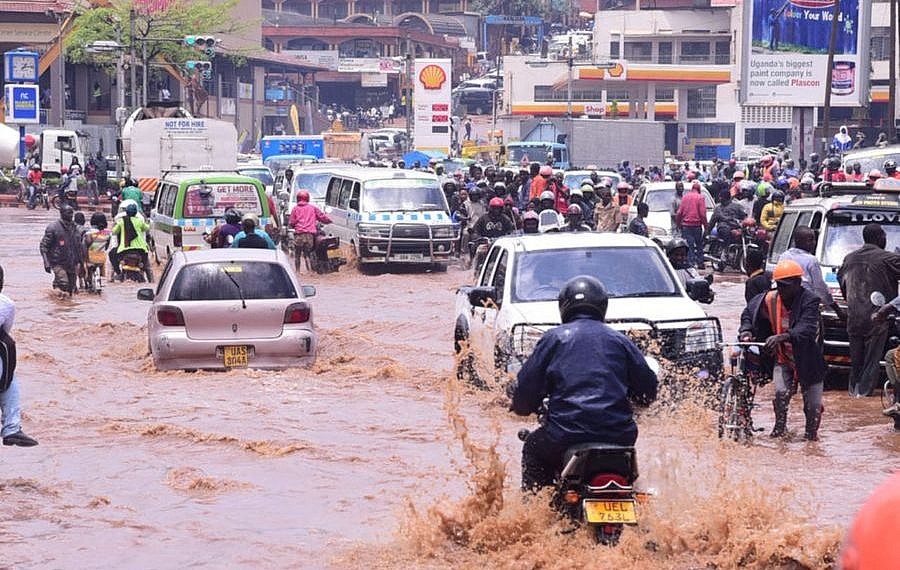
Traders and travellers have also been urged to prepare for transport disruptions caused by heavy downpours. Increased rainfall across the Central Region and the Lake Victoria Basin could lead to flooding of feeder roads, muddy rural routes and severe traffic congestion in urban centres.
Knowing that peak rainfall is expected between October and November could help business owners plan the transportation of produce before some transport routes become difficult to access.
Family safety and public health will also depend on early preparation. Heavy rainfall can cause pit latrines to overflow, contaminating shallow water sources and creating favourable conditions for mosquito breeding.
Households living in low-lying areas and near riverbanks have been advised to clear drainage channels to reduce the risk of flash floods.
Flooding is likely in areas surrounding Lake Kyoga, Pakwach and Obongi, as well as parts of Karamoja, the Rwenzori region and Kigezi.
Major urban areas, including the Kampala Metropolitan Area and other towns, may also experience flooding due to heavy downpours.
There is also a high likelihood of increased surface and groundwater levels, which could lead to riverbank breaches, including along the Nyamwamba River in the Rwenzori region, the Manafa and Namatala rivers in the Elgon region, as well as the Kafu, Awoja and Onyama rivers near the Elegu border.
Government has urged the public to take early action to minimise losses and make effective use of the expected abundant rainfall.
By clearing drainage channels, desilting rainwater tanks and adjusting planting schedules, households across the country can reduce the risks associated with the heavy rains.
“This forecast should guide planning in all climate-sensitive sectors to enhance economic resilience and community well-being. My ministry will continue to provide timely weather updates to guide national and community-level planning and decision-making,” Okidi said.
https://thecooperator.news/regional-weatherman-warns-of-heavier-rainfall-in-the-months-ahead/
Buy your copy of thecooperator magazine from one of our country-wide vending points or an e-copy on emag.thecooperator.news


