
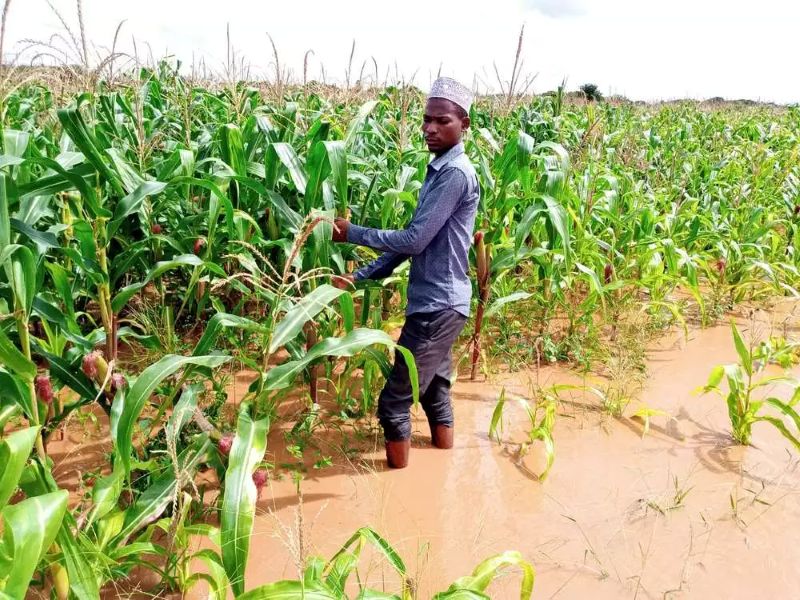
KAMPALA, May 28, 2026 — Climate experts in the Greater Horn of Africa have warned farmers across the region to prepare for drier climatic conditions during the June–September 2026 season.
The IGAD Climate Prediction and Applications Centre [ICPAC] has warned that farming communities in Eastern Africa are unlikely to receive sufficient rainfall to sustain the full growth of several food and cash crops, raising fears of poor harvests.
The ICPAC says there is a high likelihood of below-normal rainfall, particularly in Sudan, Uganda, Ethiopia and Djibouti, while much of Eritrea, South Sudan and Kenya is expected to experience even harsher drought conditions.
The four-month regional climate outlook covering June, July, August and September further reveals that northeastern and northwestern Ethiopia, southern Sudan and northern Uganda are likely to receive only up to 60 per cent of normal rainfall amounts. The rains are also expected to end midway through the season.
The report warns that the conditions are likely to disrupt agricultural activities, especially crop production, resulting in low yields. Livestock farming may also suffer significantly due to the deterioration of grasslands across the region.
In Uganda, the impact is expected to be felt most in the semi-arid and arid areas of Teso, Karamoja, parts of northern Uganda, isolated areas of the Bukedi sub-region, as well as districts along the cattle corridor.
While releasing the report, IGAD Deputy Executive Secretary Muhamed Abdi Ware called on governments across the region to respond promptly in order to protect communities from the anticipated effects.
“Across the region, we are increasingly shifting the conversation from ‘early warning’ to ‘early warning linked to anticipatory action’, recognising that climate information must ultimately support action and preparedness to make a difference,” Ware said.
However, the report indicates that selected areas in northern Sudan, southeastern Ethiopia and southern Somalia are expected to receive enhanced rainfall totals, which could trigger mild flash floods at the onset of the season.
The report further notes that the evolving 2026 climate conditions closely resemble those experienced during the strong El Niño years of 1997 and 2023, when several parts of Ethiopia, South Sudan, Uganda and western Kenya recorded below-normal rainfall during the June–September period. This resulted in poor harvests, rising food prices and inflationary pressure across several regional economies.
The forecast is expected to have implications across key sectors, including rain-fed agriculture, water availability, livestock systems, hydropower generation, food security, conflict and public health.
Stakeholders have been urged to issue advisories to support early action, risk reduction and climate-informed planning, especially among farming communities.
https://thecooperator.news/regional-weatherman-warns-of-heavier-rainfall-in-the-months-ahead/
Buy your copy of thecooperator magazine from one of our country-wide vending points or an e-copy on emag.thecooperator.news


