
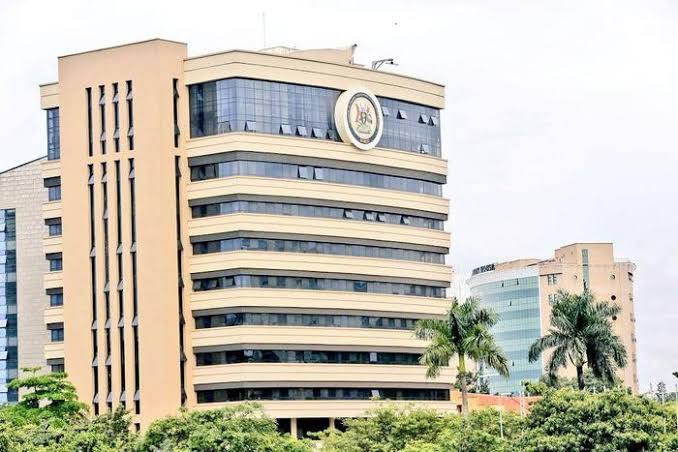
KAMPALA, November 29 2026 – The Ministry of Finance, Planning and Economic Development [MoFPED], in collaboration with Enterprise Uganda and the Parish Development Model [PDM] Secretariat, is launching a six-part virtual training series aimed at improving the management, accountability and sustainability of PDM Savings and Credit Cooperative Organisations [PDM SACCOs] across the country.
The training series, titled The 12 Attributes of a Sustainable PDM SACCO, will bring together local government officials, PDM implementation teams, SACCO leaders and other stakeholders to address operational challenges affecting the community-based financial institutions.
The sessions, scheduled to begin on December 3, 2026, will focus on SACCO governance, operational effectiveness, financial management, loan repayment and recovery, and accountability.
According to the organisers, the virtual programme will provide practical guidance and interactive discussions to help participants strengthen SACCO operations, address implementation challenges and improve the management of funds under the Parish Revolving Fund [PRF].
Each of the six virtual sessions will cover two of the 12 attributes of a sustainable SACCO, equipping participants with the knowledge and practical skills required to transform PDM SACCOs into well-managed and financially sustainable community institutions.
The training comes amid growing scrutiny of the implementation of the PDM, particularly regarding accountability, financial management, loan recovery and the effective utilisation of funds disbursed through SACCOs.
The Office of the Auditor General [OAG] has, in several audit reports on the programme, highlighted concerns including weaknesses in accountability, misuse of funds, delayed disbursements and shortcomings in the management of PDM SACCOs.
The latest training initiative is therefore expected to strengthen the institutional capacity of SACCO leaders and other programme implementers, particularly in managing the revolving funds and ensuring that beneficiaries fulfil their loan repayment obligations.
Government invests Shs 4.3 trillion in PDM
The Parish Development Model, launched in February 2022, is a government initiative designed to move households from subsistence production into the money economy through increased participation in commercial agriculture, targeting enterprises such as coffee, piggery, poultry keeping, and fish farming among several others.
The programme targets approximately 39 percent of Uganda’s population that government estimates remains in the subsistence economy.
Under the initiative, each parish receives Shs 100 million annually through the Parish Revolving Fund, from which eligible beneficiaries access loans of up to Shs 1mln at an annual interest rate of six percent, with a two-year repayment period.
The Finance ministry announced on September 16, 2026, that government had invested a cumulative Shs 4.317 trillion in the programme.
The ministry also reported that 3,571,108 people had benefited from the initiative, with funds channelled through 10,589 PDM SACCOs across the country.
According to the ministry, each SACCO had received at least Shs 400mln over the four-year implementation period.
Beneficiaries are supposed to invest the funds in approved income-generating enterprises, including coffee growing, piggery, poultry keeping, banana farming, beekeeping, fruit production, dairy farming and fish farming, among other activities provided for under the programme guidelines.
The PDM is structured around seven pillars, with financial inclusion through the PRF being one of its key components. Other pillars focus on production, storage, processing and marketing; infrastructure and economic services; social services; community mobilisation and mindset change; parish-based management information systems; and governance and administration.
Government has repeatedly described the PDM as a key intervention in Uganda’s socio-economic transformation, with the objective of increasing household incomes, expanding financial inclusion and creating opportunities for wealth generation at the grassroots.
However, the programme’s long-term success will depend partly on the ability of PDM SACCOs to maintain proper financial records, enforce loan repayment, ensure transparency and reinvest recovered funds to benefit more households.
https://thecooperator.news/minister-warns-amolatar-officials-against-misuse-of-pdm-funds/
Buy your copy of thecooperator magazine from one of our country-wide vending points or an e-copy on emag.thecooperator.news


