
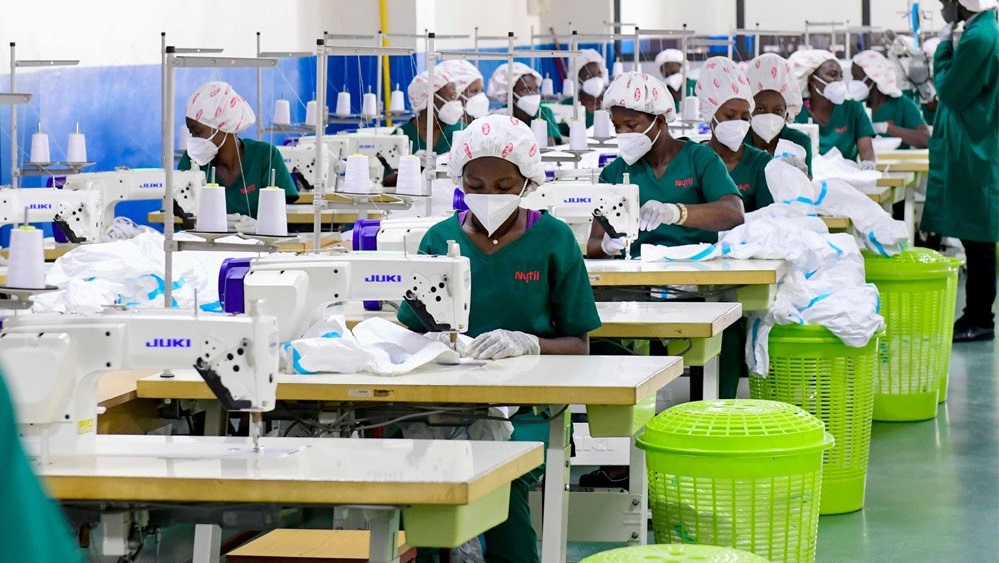
KAMPALA, August 26, 2026 — Workers’ compensation insurance is mandatory in Uganda. Section 18 of the Workers Compensation Act, Cap. 225 states that all employers, regardless of the type of business and/or its size, must have a policy that protects against injuries or sicknesses that may occur to their workers while on the job. This insurance exists because workplace accidents do occur and an employee or his/her family should not face such situations without support from their employer. Despite that, the uptake of this coverage has been inconsistent within the Ugandan market and compliance varies significantly by different sectors. Still, it does not make the requirement any less valid.
Compliance is highest among big firms, utilities, parastatal corporations and commercial banks which have formal Human Resource [HR] and Compliance departments to go along with their substantial balance sheets. Consequently, compliance is usually lower among small and medium-sized companies in sectors like hospitality, agriculture, professional services and transportation, where there is little margin and less formal structure. This is not unique to Uganda or this obligation specifically; compliance with statutory insurance laws is always highest among the largest, most formally organised companies. This means the lack of coverage for Workers’ Compensation is precisely among the companies that cannot afford the shock of an uninsured workplace accident.
It is important to note that the cause of compliance gaps can be attributed to lack of awareness rather than willful disobedience. This is because some smaller firms are simply unaware of the requirement for cover, or the exact nature of their responsibility when it comes to covering their employees, especially in cases where there is no specialised HR or Legal Department. In the instances where the employer is aware of the requirement, cost comes into play as the next factor limiting compliance with the requirement. However, the above factors do not excuse any breach of law. The requirement to cover the workers is not subject to the size of the firm or any other factor; it is a statutory requirement.
Costs of the gap for both parties
Costs are inevitable when it comes to the gap, but they don’t necessarily apply to both parties evenly. An employer who does not have a policy and ends up having one of his employees get hurt will be at risk of dealing with the financial burden that will most likely surpass any amount that could be saved from not buying the insurance for just another year. The employee on the other hand will have to depend solely on the help of the employer in case of the accident and not on the benefits that were supposed to come from the law.
The Federation of Uganda Employers, FUE, will continue working with the insurance industry, the Ministry of Gender, Labour and Social Development, and Labour Officers to improve this situation, especially by increasing the level of awareness among small firms and making the process of filling out the claim forms easier.
Going forward
If you are an Employer without cover, its critical to see these problems as an immediate matter of compliance, just as payroll or taxes are matters of compliance that can’t be ignored. As an employee, knowing if your employer is insured or not is an important, practical question to ask. We [FUE] are committed to offer support and guidance on workplace compensation and other pertinent world of work issues.
As our mantra goes, ’Every Good Employer is a member of the Federation of Uganda Employers’. Become an FUE member today to benefit from a variety of services and a wide network of business professionals thriving in the evolving labour market.
This article was written by the Federation of Uganda Employers, FUE.
Together for Employers!
Buy your copy of thecooperator magazine from one of our country-wide vending points or an e-copy on emag.thecooperator.news


