
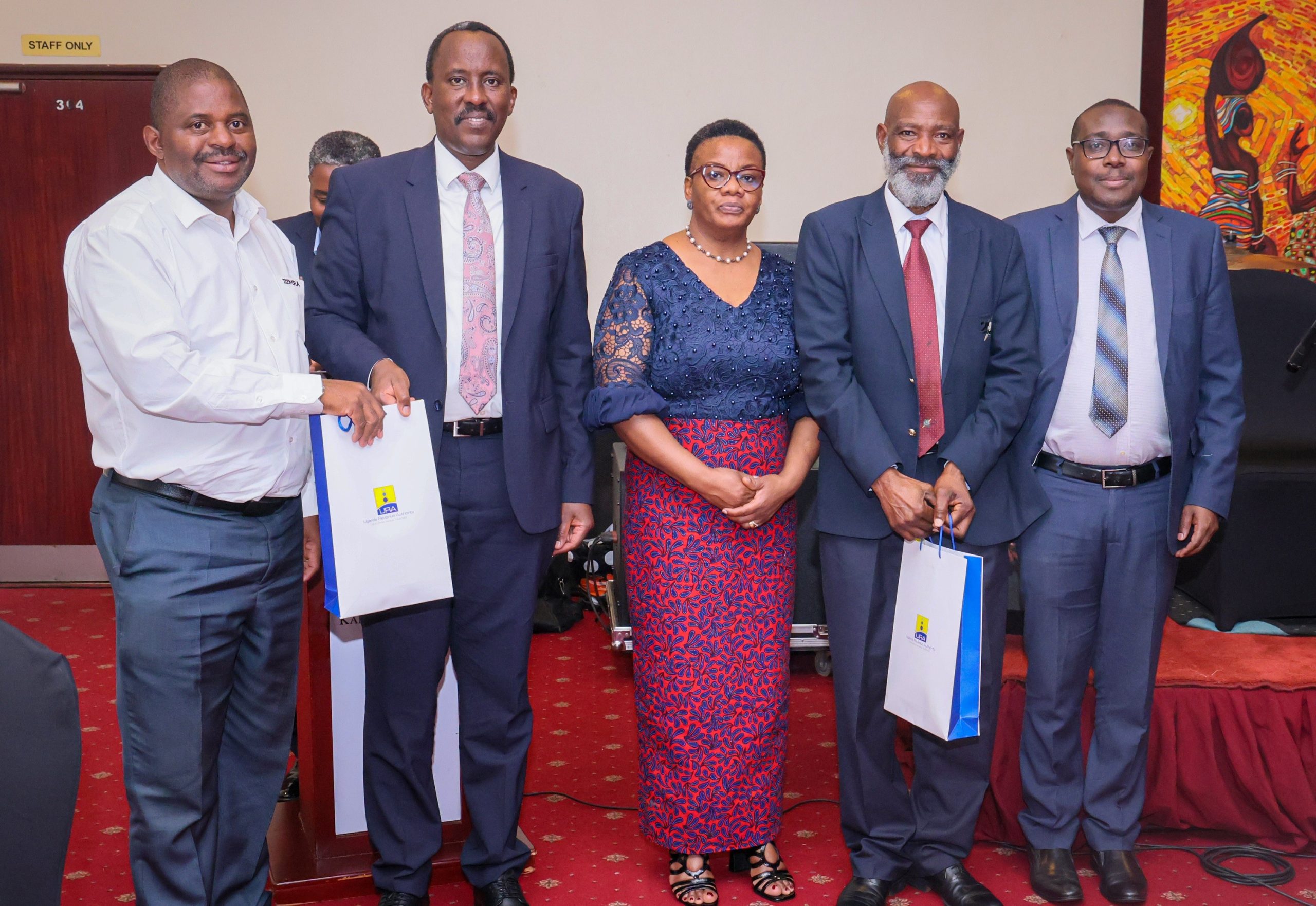
KAMPALA, April 30, 2026 – The Commissioner General of the Uganda Revenue Authority [ URA ], John R. Musinguzi, has called on tax authorities across Africa to embrace science and technology in the fight against tax evasion.
Musinguzi made the remarks recently at Serena Hotel in Kampala as URA hosted a council meeting of the African tax executives whose role is to collect taxes for their governments.
He said the adoption of proven, data-driven and evidence-based strategies would not only strengthen domestic revenue collection but also enhance financial independence for African nations, ultimately reducing reliance on shrinking foreign aid.
The conference brought together tax officials from 10 African countries under the theme “Leveraging scientific approaches to combat illicit financial flows”. It was hosted by the URA in partnership with the African Tax Administration Forum (ATAF), a pan-African organisation established in 2009 to improve tax systems and administration across the continent.
Musinguzi urged delegates to apply the scientific methods acquired during the training and to encourage their respective governments to invest in modern forensic and analytical tools.
“As revenue authorities, we have a unique opportunity to transform Africa’s economic future. Don’t let the knowledge gained here go to waste. Instead, engage your Commissioner Generals and Finance Ministries to prioritise these critical technologies,” he said.
He further stressed the importance of cross-border collaboration among African tax administrations, noting that cooperation is key to achieving long-term economic prosperity on the continent.
“We must work together, or we risk being left behind in global development. With Africa’s resources, youthful population, and a shared vision, we have the potential to drive the next cycle of economic growth,” he added.
The Head of the Tax Academy at ATAF in Pretoria, South Africa, Caroline Mutabayarwa, commended the URA’s progress in adopting science-driven solutions to combat tax fraud. She described the training as a turning point for Africa, urging tax authorities to fully integrate forensic science into revenue administration.
“This training has deepened our understanding of illicit financial flows and their economic impact. Scientific approaches offer practical solutions, and we must sustain this momentum,” she said.
The Commissioner for the Tax Investigations Department [TID] at URA, Denis Kugonza, highlighted the need for continued taxpayer education to improve public understanding of taxation.
“Many citizens do not fully understand their tax obligations. Raising awareness on how taxes directly contribute to national growth will reduce resistance and improve compliance,” he noted.
The annual training brings together tax leaders to assess regional performance in taxation and to explore new and emerging technologies that require timely planning and capacity building for tax officers.
Tax evasion is the illegal and deliberate failure to pay or underpay taxes owed, often through concealing income, inflating deductions, or falsifying records. It is a criminal offence punishable by fines, penalties, and imprisonment. Unlike legal tax avoidance, which involves using tax laws to reduce liabilities, tax evasion violates the law.
According to the United Nations Conference on Trade and Development [UNCTAD], tax evasion and illicit financial flows cost Africa an estimated US$ 88.6 billion annually. This loss exceeds the continent’s total annual foreign development aid, effectively making Africa a “net creditor” to the rest of the world.
https://thecooperator.news/ura-recoups-shs-11bln-from-penalties-smuggled-goods/
Buy your copy of thecooperator magazine from one of our country-wide vending points or an e-copy on emag.thecooperator.news
-

-

-

-


