
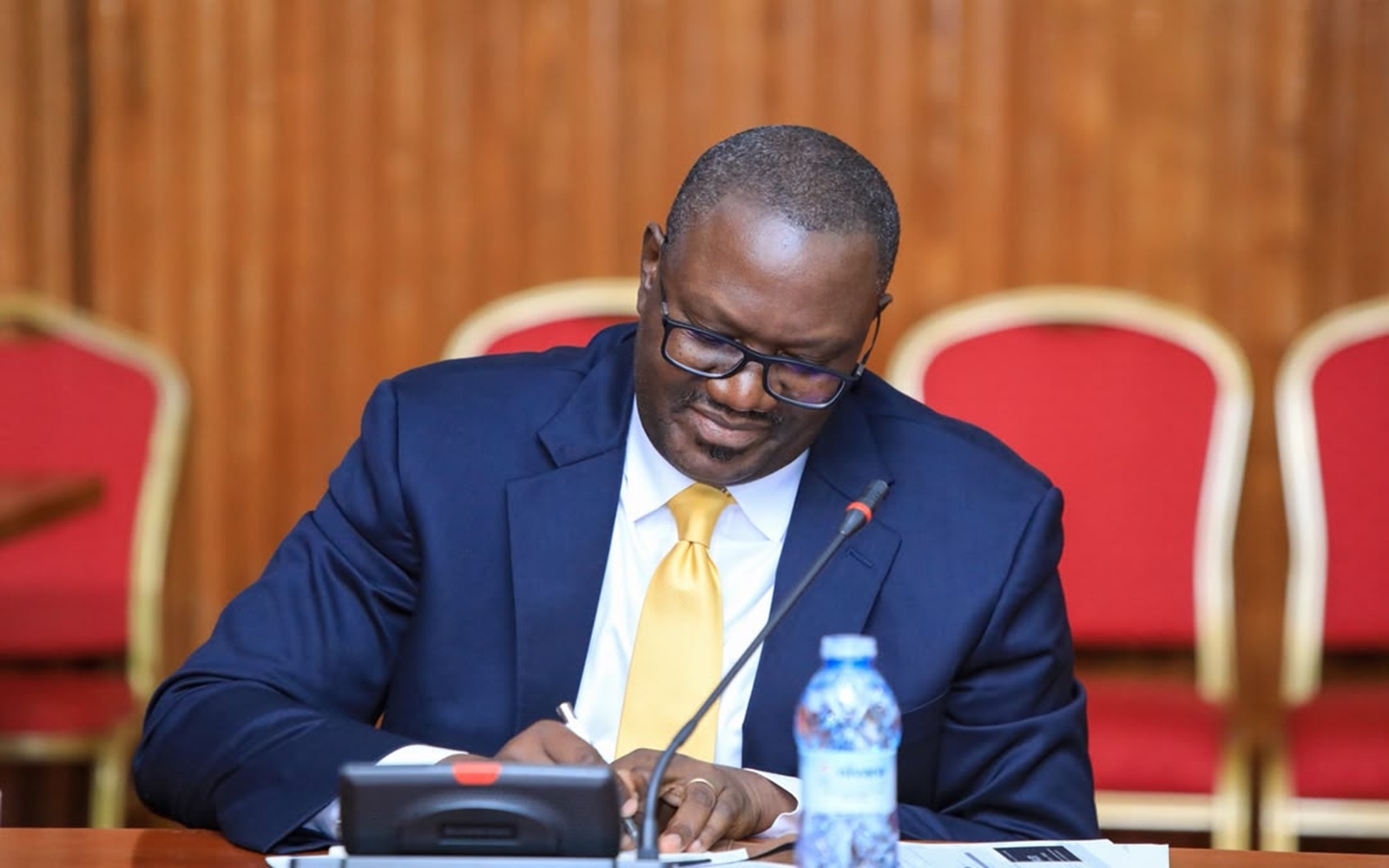
KAMPALA, August 4, 2026 — Ugandan migrant workers who sought greener pastures abroad are now living in severe distress as a result of increasing labour externalisation, Members of Parliament [MPs] have been told.
The Permanent Secretary in the Ministry of Foreign Affairs, Vincent Bagiire, said the growing number of Ugandans seeking employment abroad had increased cases of consular distress, repatriation and welfare demands, particularly in the Gulf region.
“On a weekly basis, we receive communications from Saudi Arabia about Ugandans in distress. Some of them are in prison, while others are physically and mentally ill and require urgent attention,” Bagiire said.
Bagiire, who appeared before Parliament’s Committee on Foreign Affairs on Monday alongside his technical staff, called for intensified public sensitisation to curb the surge in human trafficking cases.
The committee, chaired by Grace Kwiyucwiny, was responding to concerns raised by the Persons with Disabilities [PWD] Representative, Robert Ssewagudde, who asked the ministry to explain its interventions to protect Ugandan migrant workers from victimisation and distress.
“It is true we have done some sensitisation, but I must add that it is inadequate. The Ministry of Internal Affairs is responsible for implementing the anti-human trafficking law, and it has the duty and responsibility to carry out massive sensitisation to ensure Ugandans do not fall prey to these so-called lucrative opportunities, which in reality are forms of human trafficking,” Bagiire said.
Labour externalisation, which earns Uganda about US$ 2 billion in remittances, is regulated by the Ministry of Gender, Labour and Social Development, which is responsible for licensing labour export companies.
Bagiire said that despite this arrangement, the Ministry of Foreign Affairs bears much of the burden of repatriating Ugandans facing harsh and exploitative working conditions, human trafficking and other forms of abuse.
“There are some Ugandans who are arrested in Iraq. We reached out to the authorities and they are positive about releasing them. The challenge is the absence of resources to return them, as you know there is no allocation to repatriate them,” Bagiire said.
He added that the most effective preventive measure was to sensitise Ugandans against travelling to countries experiencing conflict and other dangerous conditions.
“It has been very challenging for us. Recently, we repatriated hundreds of Ugandans from Myanmar. The Ethiopian Airways plane that returned 43 Ugandans also carried about 20 Ugandans going to the same destination, Myanmar,” he said.
Bagiire added: “The most unfortunate thing is that it is Ugandans who are trafficking fellow Ugandans. Some of them are known and have been arrested, but we shall intensify our campaign to stop Ugandans from travelling to such destinations.”
The MPs appealed to government to prioritise safeguarding and protecting the national interests by paying greater attention to the welfare of Ugandans working abroad.
“One of the biggest challenges facing Ugandans working abroad is their continued incarceration. We can’t continue reading the Book of Lamentations; we must be deliberate in protecting our citizens because when you travel abroad, ambassadors are crying foul,” Gabriel Okumu, the MP for Okoro County, said.
Buy your copy of thecooperator magazine from one of our country-wide vending points or an e-copy on emag.thecooperator.news


