
KAMPALA, July 8, 2026 – Four Ugandan farmers have filed a case before the High Court in London seeking to stop the East African Crude Oil Pipeline [ EACOP ] from commencing operations by asking the court to apply Ugandan environmental and climate laws against the project’s UK-registered operating company.
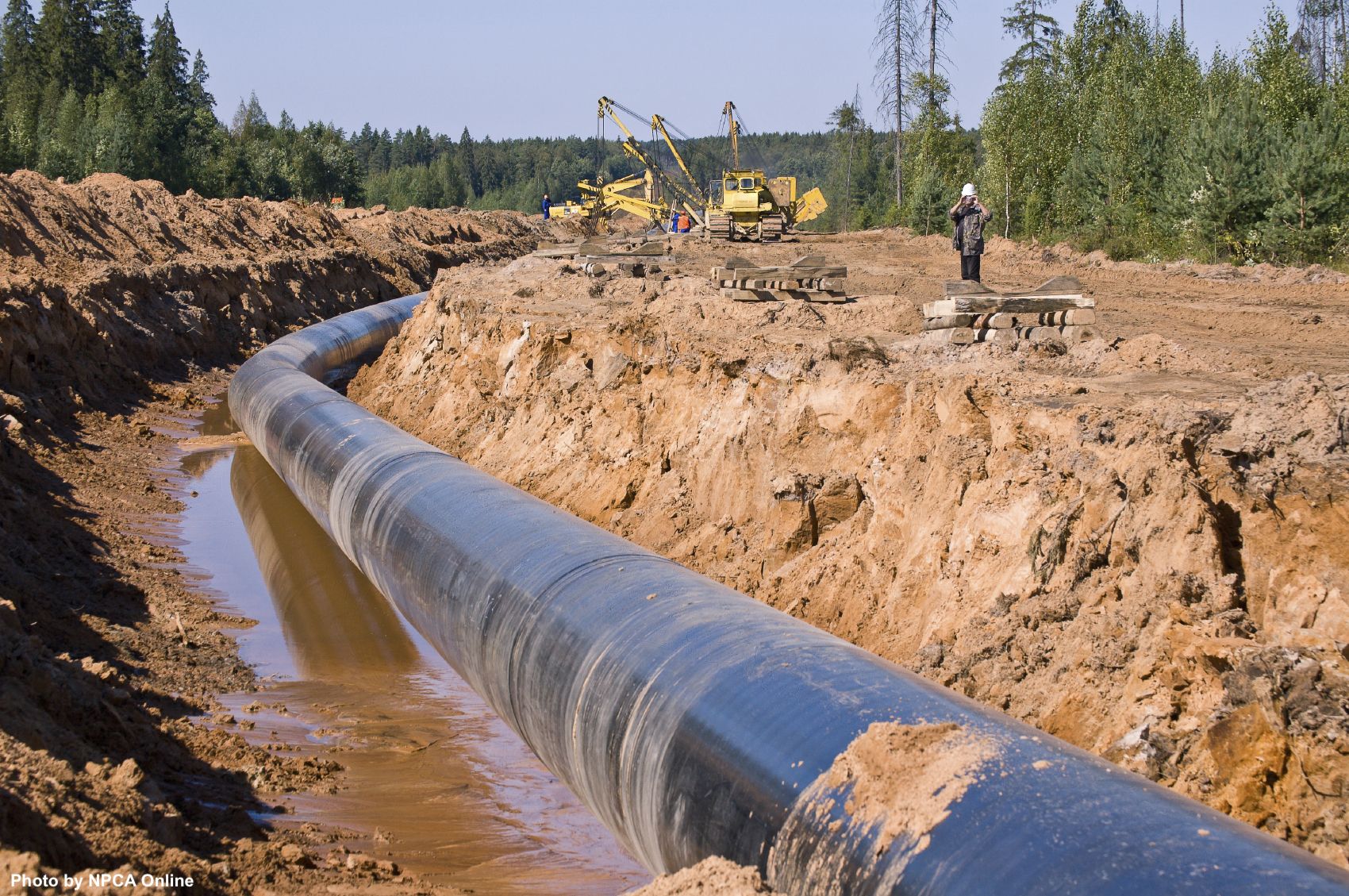
The 1,443-kilometre pipeline, which is majority-owned by French energy giant TotalEnergies, is designed to transport crude oil from west Uganda’s Lake Albert oilfields to Tanzania’s Indian Ocean coast for export. According to the project’s developers, approximately 80 percent of the pipeline has been completed, with first oil exports expected as early as October.
The lawsuit, backed by campaign group Avaaz through a crowdfunding initiative and filed by London law firm Leigh Day, argues that EACOP Ltd’s role in developing and operating the pipeline breaches Ugandan laws protecting citizens’ constitutional right to a clean and healthy environment.
One of the claimants, Racheal Tugume, told a press conference that she had been displaced from her land during the pipeline’s construction, which she said had damaged rivers, wildlife and ecosystems on which local communities depend for their livelihoods.
“I am very happy that there are people in countries like the UK who are listening to us, who are behind us and who have come to support us,” Tugume said. She added that she hoped the case would bring justice to communities affected by the project.
Ugandan law before a UK court
Although EACOP is a joint venture led by TotalEnergies, with minority shareholdings held by the Uganda National Oil Company, Tanzania Petroleum Development Corporation and China’s CNOOC, the pipeline is operated by EACOP Ltd, a company registered in London’s Canary Wharf financial district.
EACOP Ltd had not responded to requests for comment at the time of publication.
The claim is believed to be the first attempt to enforce Uganda’s climate and environmental protections in a foreign court. It reflects concerns among the claimants about whether legal challenges against the multi-billion-dollar project would receive a fair hearing in Uganda.
Matthew Renshaw, a partner at Leigh Day, said the English court would consider whether the claimants could receive a fair hearing in Uganda before deciding whether to hear the case.
He noted that previous judgments, including litigation against Shell over oil pollution in Nigeria, had established that British courts can hear claims against UK-registered companies for alleged overseas harm.
“We are proud to represent these four brave and principled individuals,” Renshaw said.
Constitutional and environmental protections
The legal challenge relies on provisions contained in Uganda’s Constitution, the National Environment Act, 2019, and the National Climate Change Act, 2021, which gives Ugandans the right to bring legal proceedings where any person or entity threatens the country’s ability to mitigate climate change.
Leigh Day legal adviser Marc Willers said the case seeks an injunction preventing EACOP Ltd from commencing operations.
Should oil exports begin before the matter is heard, the claimants will continue seeking a court order to halt operations thereafter.
“We will do everything we can to expedite matters,” Renshaw said. “However, it is possible that EACOP will have started operating before the claim is heard. Even then, the intention would be to halt operations from that point, significantly reducing the project’s long-term environmental impact.”
Lawyers estimate that the first hearing could take place in approximately 12 months, with a full trial potentially beginning around 18 months after the case is accepted.
Environmental concerns
Environmental campaigners argue that the pipeline has already displaced thousands of people and passes through environmentally sensitive areas, including the Lake Victoria Basin, a vital freshwater system serving an estimated 40 million people across East Africa.
According to non-profit organisation BankTrack, EACOP will transport up to 216,000 barrels of crude oil per day at peak production and generate more than 33 million tonnes of carbon dioxide emissions annually. Over its projected 25-year lifespan, the project could produce approximately 379 million tonnes of greenhouse gas emissions across its full value chain.
A May 2026 report by Earth Insight warned that the pipeline and its associated infrastructure could affect 158 wetlands, 11 rivers, 44 protected areas and seven key biodiversity areas while disturbing approximately 2,000 square kilometres of protected wildlife habitat in Uganda.
Willers described the pipeline as a “carbon bomb” and said the court case represents one final opportunity to prevent its long-term environmental consequences.


African Energy Chamber rejects lawsuit
The African Energy Chamber [AEC] has strongly criticised the case, describing it as another example of foreign-backed litigation aimed at obstructing Africa’s strategic energy development.
The Chamber argued that decisions concerning Uganda’s natural resources should be made by Ugandans and not determined in overseas courts.
“This is colonialism…,” said AEC Executive Chairman NJ Ayuk.
“For generations, Africa was told what resources it could exploit and how it should develop. Today, some of those same pressures are being repackaged through foreign-funded litigation and ideological campaigns that seek to dictate Africa’s energy choices from thousands of kilometres away. UK courts should not determine Uganda’s energy future. Ugandans should.”
The Chamber said legal challenges targeting projects such as EACOP, Mozambique LNG and oil exploration in South Africa have become increasingly common, creating uncertainty for investors, delaying infrastructure projects and slowing economic growth.
According to the AEC, EACOP will unlock Uganda’s estimated 6.5 billion barrels of oil resources, create employment opportunities, generate government revenues and stimulate local businesses across Uganda and Tanzania.
The project is jointly owned by TotalEnergies, CNOOC, the Uganda National Oil Company and the Tanzania Petroleum Development Corporation.
While environmental activists argue that more than 100,000 people have been affected through land acquisition and have raised concerns over freshwater systems and protected habitats, TotalEnergies has consistently maintained that the project complies with international environmental and social standards and incorporates extensive biodiversity protection and mitigation measures.
The Chamber further argued that prolonged litigation delays jobs, investment and revenue that could finance schools, hospitals, roads, electricity infrastructure and future renewable energy development.
It also questioned the implications for national sovereignty, noting that Ugandan institutions already possess constitutional and judicial mechanisms for resolving disputes relating to the project.
“The time for Uganda to exploit its immensely valuable resources is now,” Ayuk said.
“Africa will not give in to international coercion to prevent the continent from bringing energy and prosperity to its people. Africa will not succumb to pressure to pursue the energy transition on anyone else’s terms. We know what is best for African energy, and we will do everything in our power to ensure that the continent’s resources benefit its people.”
The debate surrounding EACOP, he added, extends beyond the pipeline itself and raises broader questions about Africa’s sovereign right to develop its natural resources under its own laws and in the interests of its own citizens.
Buy your copy of thecooperator magazine from one of our country-wide vending points or an e-copy on emag.thecooperator.news


