
KAMPALA, November 22, 2026 – The Government of Uganda has been urged to review and substantially increase wage allocations and recruitment ceilings for primary school teachers in local governments to address persistent staffing shortages.
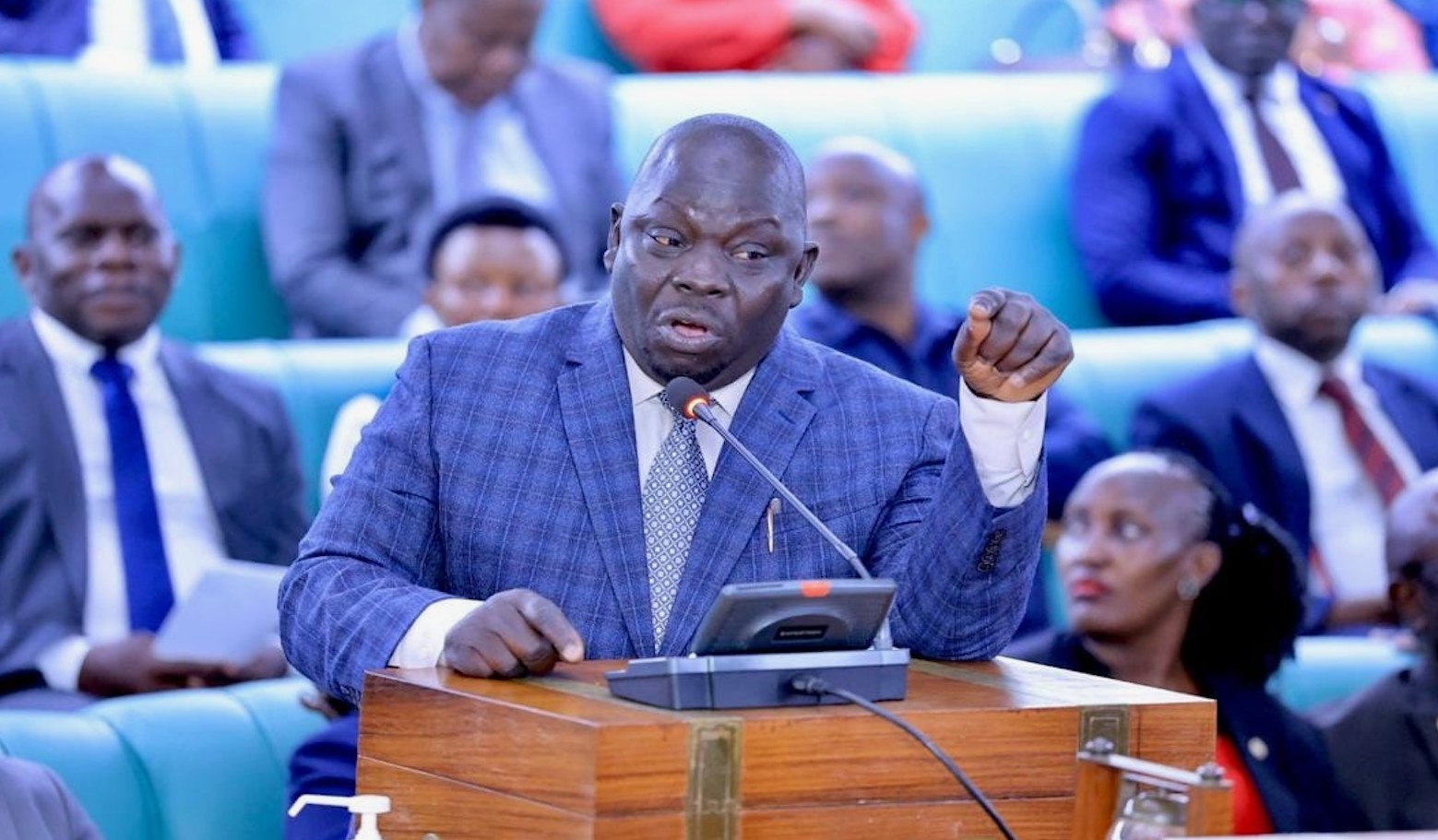
Tabling a motion on Wednesday, the Arua Central Division Representative Khemis Muzaid called for increased funding to facilitate the recruitment of teachers to fill existing vacancies.
“Inadequate wage allocations and restrictive recruitment ceilings imposed by the Ministries of Public Service and Finance continue to constrain local governments from filling vacant primary teaching positions, despite the availability of qualified teachers. This has worsened staffing shortages and undermined education service delivery,” Muzaid said.
He added that government’s decision to phase out Grade III certificates and Grade V diplomas, as well as close primary teachers’ colleges [PTCs] under the National Teacher Policy, had drastically reduced the annual output of trained teachers.
The policy replaced the previous certification requirements with a mandatory bachelor’s degree qualification under the Uganda National Institute for Teacher Education [UNITE].
Muzaid cited a 2024 Ministry of Education and Sports report indicating that the pupil-to-teacher ratio in public primary schools stood at approximately 60:1. At least 37 local governments recorded ratios of 80:1 or higher, with some exceeding 100:1.
“The persistent shortage of primary school teachers has resulted in overcrowded classrooms, excessive workloads, teacher fatigue and absenteeism. This has forced some schools to rely on untrained volunteers and overstretched teachers to handle multiple classes and subjects,” he said.
Muzaid proposed the establishment of a transitional recruitment and professional upgrading framework to enable qualified Grade III and Grade V teachers to enter government service while progressively upgrading their qualifications.
Kigulu County South MP Andrew Kaluya cited brain drain and teacher attrition, attributing the trend to resignations, early retirement and poor remuneration.
“The National Planning Authority revealed that 690 teachers took early retirement in the 2022/2023 financial year. This attrition undermines education quality. Government should strengthen teacher retention and provide adequate wage allocations, particularly in hard-to-reach districts,” Kaluya said.
Bulambuli District Woman Representative Sarah Wekomba said difficult working conditions in hard-to-reach areas, characterised by poor road networks and a lack of electricity, had often discouraged teachers from taking up or remaining in their designated posts.
“Teachers deployed in these areas have failed to work because schools do not have accommodation and classrooms. Government has failed to allocate an allowance to facilitate their movement to these hard-to-reach areas,” she said.
Musa Karim, the Aringa North County MP and Onesimus Twinamasiko, the Bugangaizi East County legislator reiterated the need for adequate funding to the Ministry of Education and Sports to enable it to invest effectively in teachers through recruitment.
They observed that increased recruitment would help address the growing number of learners across the country.
Kabale District Woman MP Enid Origumisiriza noted that the shortage of teachers had put learners’ futures at risk. She proposed giving local governments greater flexibility to undertake recruitment based on their staffing needs.
“I urge Government to immediately lift the wage and recruitment ceilings and allow districts to recruit teachers according to their staffing needs, with adequate budgetary allocations to pay them,” Origumisiriza said.
The State Minister for Sports, Peter Ogwang, said the Ministry of Education and Sports’ request for Shs69 billion to recruit critical staff needed to implement the competence-based curriculum between 2023 and 2025 had not been funded, resulting in a shortfall of 103,453 teachers.
“The National Budget Framework Paper for 2026/27 identifies the recruitment of teachers as a human capital intervention with a bearing on the wage bill. It does not specify the number of primary teachers to be recruited, nor does it earmark an amount for the purpose of this motion,” he said.
Ogwang clarified that the National Teachers Act, 2026 and the National Teacher Policy, 2026 require teachers to hold bachelor’s degrees to effectively implement the competence-based curriculum.
“The 23 PTCs currently available will work with UNITE to continue training teachers,” the Minister added.
https://thecooperator.news/headteachers-urged-to-join-asshu-sacco-to-improve-their-welfare/
Buy your copy of thecooperator magazine from one of our country-wide vending points or an e-copy on emag.thecooperator.news


