
KAMPALA, October 16, 2026 — Cooperatives could play a bigger role in tackling global hunger by helping small-scale farmers access markets, finance, technology and infrastructure, a new report has said.
The report by the International Cooperative Alliance [ICA] and the UN Committee for the Promotion and Advancement of Cooperatives [COPAC] says the world remains critically off track on Sustainable Development Goal 2, which seeks to end hunger and promote food security and sustainable agriculture.
An estimated 673 million people, or 8.2 per cent of the global population, experienced hunger in 2024, while about 2.3 billion people faced moderate or severe food insecurity, according to the report.
It says hunger continues to rise sharply in Africa and western Asia, driven by conflict, climate shocks and persistently high and volatile food prices.
The report says cooperatives can help address some of the structural weaknesses contributing to food insecurity by allowing small-scale producers to pool their output, jointly purchase inputs and access extension services.
They can also collectively invest in storage, processing and transport infrastructure that individual farmers may struggle to afford.
In Brazil, agricultural cooperatives bring together more than one million rural producers, most of them family farmers, and account for a substantial share of national production in staple food value chains such as grains, dairy and beans, the report says.
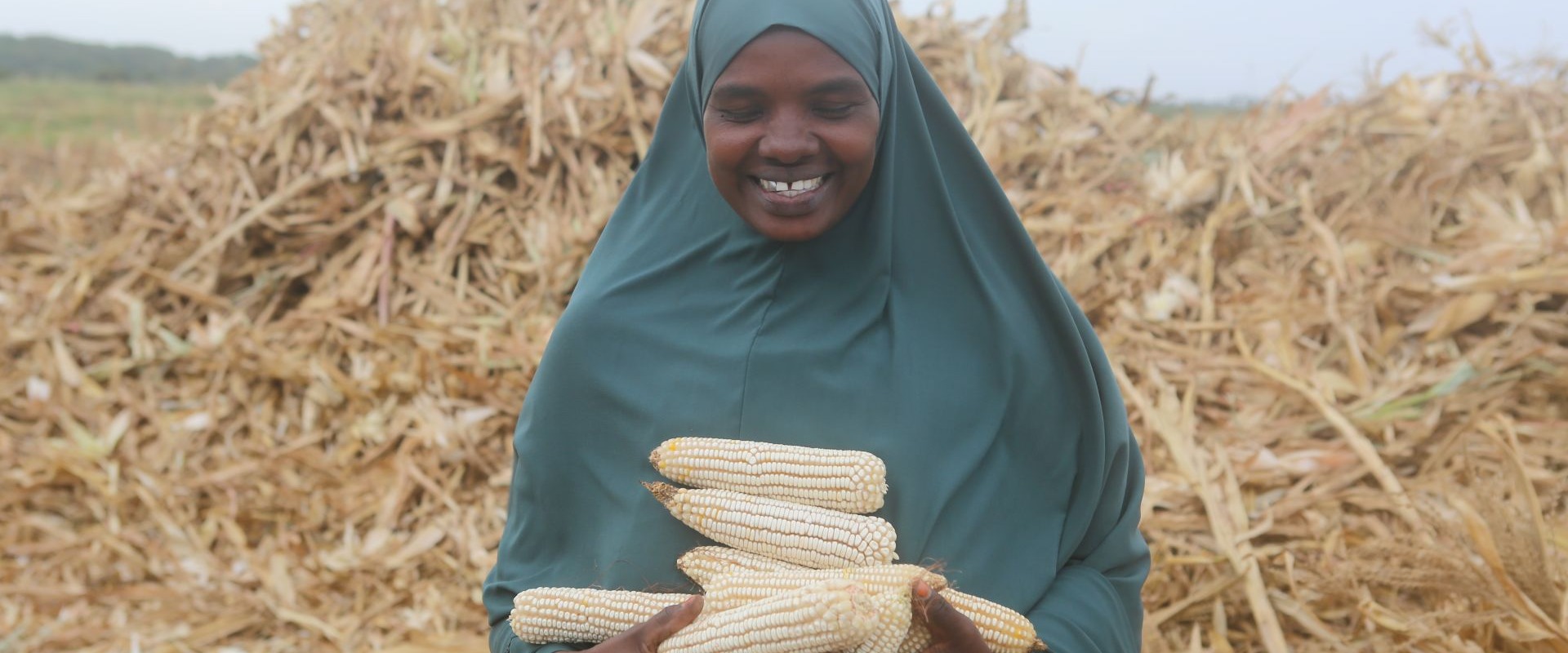
In Rwanda, farmer cooperatives supported through structured market arrangements have helped coordinate access to improved seeds, training and guaranteed buyers, contributing to higher maize yields while reducing post-harvest losses and price volatility.
The report, however, warns that cooperatives themselves face significant barriers, including outdated laws, limited access to long-term finance, inadequate infrastructure, weak management capacity and restricted access to formal markets.
It recommends that governments formally recognise agricultural, food and consumer cooperatives as delivery partners in national food-security strategies.
It also calls for improved access to patient and blended finance for cold storage, logistics, local processing and digital systems, as well as stronger market integration and investment in women’s leadership.
The report further recommends that cooperative contributions to food security be incorporated into national statistical and SDG monitoring systems.
Buy your copy of thecooperator magazine from one of our country-wide vending points or an e-copy on emag.thecooperator.news


