
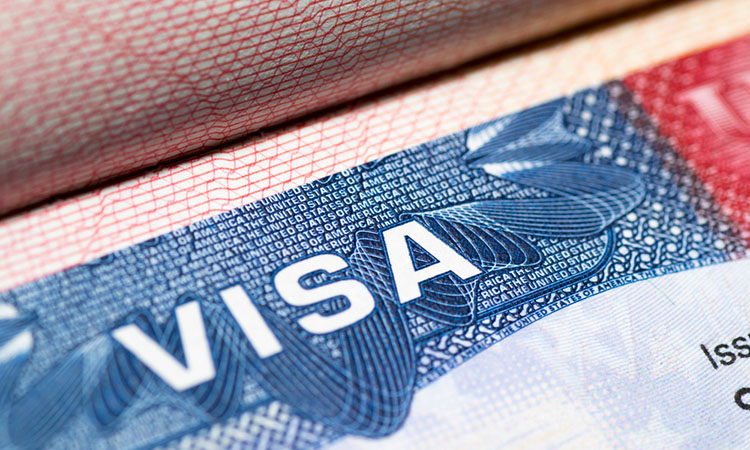
KAMPALA, January 7, 2026 — Ugandans applying for United States B-1/B-2 visitor visas [tourism and business] will now be required to post a visa bond of between Shs 18 million and Shs 54 million before their applications can proceed.
The new requirement, announced by the US Department of State, will take effect on January 21, 2026, and applies to Ugandan nationals seeking non-immigrant visitor visas.
The measure is part of a 12-month visa bond pilot programme introduced by the Department of State to reduce the number of foreign nationals who overstay their visas.
Under the programme, Ugandan applicants may be required to post a bond of US$5,000, US$10,000 or US$15,000, approximately Shs 18 million, Shs 36mln and Shs 54mln respectively, at the discretion of a US consular officer.
Applicants who are otherwise eligible for a B-1/B-2 visa will be informed during their visa interview whether they must post the bond. Those instructed to do so will receive a direct link to make payment online through the US Treasury’s Pay.gov system. The bond amount will be determined on a case-by-case basis.
The Department of State has cautioned that payment of the bond does not guarantee visa issuance. Applicants are advised to pay only after receiving official instructions; otherwise, “the fees will not be returned”, the advisory states.
As a condition of the bond, successful applicants must enter and exit the United States through designated ports of entry, including Boston Logan International Airport, John F. Kennedy International Airport and Washington Dulles International Airport. Failure to comply may complicate adherence to the bond terms and affect eligibility for a refund.
The bond will be automatically cancelled and refunded if the visa holder departs the United States on or before the end of their authorised stay, does not travel on the visa, or is denied admission at the port of entry.
However, US authorities say that if a traveller overstays their permitted period, applies to adjust to another immigration status, or fails to depart on time, the Department of Homeland Security may refer the case to US Citizenship and Immigration Services to determine whether the bond conditions have been breached.
Uganda and Tanzania are currently the only East African countries affected by the visa bond policy.
Other African countries, including Malawi and Zambia, were incorporated into the pilot programme from mid-2025. Nationals from these countries are also required to post bonds ranging from Shs 18 million to Shs 54 million when applying for similar US visitor visas.
The governments of the affected countries have yet to issue detailed public responses. However, travel agents warn that the policy will significantly increase the cost of visiting the United States and create “greater uncertainty for ordinary travellers”.
While attention in East Africa has focused on Uganda, Tanzania, Malawi and Zambia, the list of countries subject to the visa bond requirement has expanded to dozens across Africa, Asia and Latin America. These include Bangladesh, Nigeria, Senegal, Venezuela, Cuba and several small island states.
US authorities defend the measure as necessary to reduce visa overstay rates, though critics argue it risks pricing ordinary travellers out of lawful visits and could strain diplomatic relations.
Buy your copy of thecooperator magazine from one of our country-wide vending points or an e-copy on emag.thecooperator.news
-

-

-

-


