
KAMPALA, April 10, 2026 – Uganda has taken a major step towards achieving transparency and traceability in its coffee sector, as industry stakeholders introduce a new digital system designed to comply with stringent European Union [ EU ] deforestation regulations.
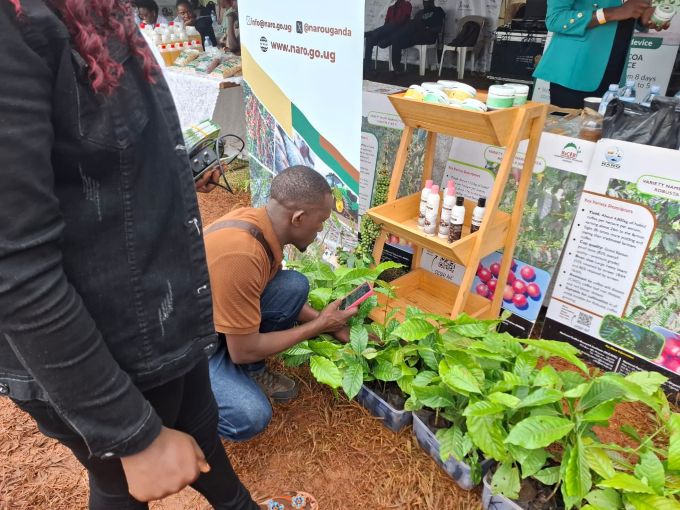
In a bid to meet the requirements, the Uganda Coffee Farmers Alliance [UCFA], in partnership with the National Coffee Research Institute [NaCORI], has developed an integrated platform to capture detailed data on smallholder farmers — a long-standing challenge that previously contributed to delays in meeting earlier EU deadlines.
Several African countries involved in coffee, cocoa and rubber production failed to comply with the initial December 31, 2025 deadline, largely due to inadequate infrastructure to register and monitor smallholder farmers in rural areas who have sustained the agricultural economy for decades.
Working with NaCORI, UCFA has now introduced a digital system that supports farmer registration, real-time monitoring, data protection and strict traceability standards. The initiative is expected to improve efficiency, ensure compliance and enhance profitability for smallholder coffee farmers.
The innovation-driven platform will enable every coffee lot to be traced from the farm to the final buyer, ensuring Uganda’s coffee can be verified as deforestation-free and linked to individual farms — a significant shift for a sector where produce is traditionally aggregated through middlemen.
UCFA Managing Director Antony Mugoya said the success of the platform will largely depend on farmer trust.
“We must be mindful of the farmer and their rights. Privacy is a key consideration. Uganda’s Data Protection and Privacy Act of 2019 aligns closely with the European General Data Protection Regulation in safeguarding personal information,” Mugoya said.
He added that the law requires farmers to be fully informed before their data is collected, and guarantees them the right to access, correct or delete their information.
Farmers will also be able to restrict access to their data or transfer it between buyers, ensuring their profiles remain portable within the supply chain.
The development comes at a critical time as the European Union Deforestation Regulation [EUDR] demands that imported coffee meets strict traceability standards.
Coffee remains the backbone of Uganda’s rural economy, providing a livelihood for more than 64 per cent of the rural population.
However, agriculture sector analysts caution that while the new regulations could improve farmer incomes and contribute to broader economic stability, they may also disrupt existing coffee production and supply chains if not carefully managed.
https://thecooperator.news/eu-endorses-another-one-year-delay-for-eudr-implementation/
Buy your copy of thecooperator magazine from one of our country-wide vending points or an e-copy on emag.thecooperator.news
-

-

-

-


