
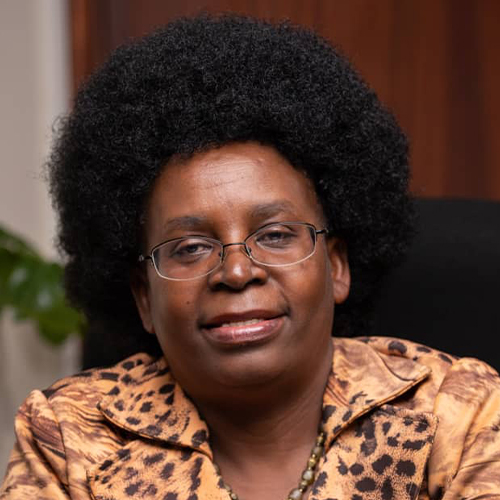
CAPE TOWN, October 17, 2026 — Uganda is positioning itself as a regional hub for mineral processing, offering neighbouring countries access to its gold-refining facilities while expanding domestic processing of iron ore, tin and phosphate, the Minister of Energy and Mineral Development, Dr. Monica Musenero Masanza, has said.
Speaking during a ministerial panel at African Mining Week [AMW] 2026 in Cape Town, Musonera said Uganda has 10 gold refineries that can serve mineral-producing countries in East Africa, allowing them to process gold without the high cost of establishing their own facilities.
“Rather than every nation enduring the high cost of building refineries, Uganda offers a regional solution. We allow our East African neighbours to bring gold in tax-free for toll processing, and because our operations run on excess renewable energy, the final product is truly green gold,” she said.
Uganda is also seeking to increase value addition in other minerals, with plans to process tin to 99.9 per cent purity and develop its iron ore and phosphate resources to support industrialisation, infrastructure development and agriculture.
“Uganda’s rapid development requires massive amounts of steel and fertiliser. With 14 companies lined up to produce steel billets from local iron ore and active plans to process our phosphate reserves, we are adding value to our minerals directly to build our infrastructure and fuel our agricultural needs,” Musonera said.
Her remarks come as African mining countries increasingly seek to move away from exporting raw minerals and instead develop processing, manufacturing and related infrastructure within the continent.
In Guinea, the government plans to have five alumina refineries operational by 2030, with three already under construction, according to Daouda Diakité, Senior Adviser to the Minister of Mines and Geology.
The refinery programme is part of Guinea’s Simandou 2040 strategy, which seeks to transform the country from a raw mineral exporter into a regional processing and industrial hub.
Under the strategy, Guinea is targeting annual alumina production capacity of between seven million and eight million tonnes by 2030, alongside investments in steel manufacturing, power generation and downstream infrastructure.
“Simandou 2040 is a strategy to shift from being a raw material exporter to developing a strong processing base that can sustain the country’s downstream sector. To achieve this, we are encouraging investment in domestic aluminium and steel production, as well as power projects that can support downstream development,” Diakité said.
He said Guinea also plans to process iron ore from the Simandou project domestically, with a feasibility study for steel production nearing completion.
“The steel from Simandou has to be processed in Guinea, and we are finishing the feasibility study for that,” he said.
Guinea is also working to operationalise a gold refinery as it seeks to broaden its mineral-processing industry beyond bauxite and iron ore.
Egypt, meanwhile, is positioning itself as a logistics and infrastructure partner for African mineral-producing countries, with plans to strengthen links between mining operations, processing facilities and international markets.
Mohamed Zada, Deputy Minister for Strategic Industries, said there were opportunities for cross-border investment in power generation, port infrastructure and mineral transport networks to support the continent’s expanding downstream mining sector.
“Egypt’s strategic location makes it a natural logistics hub. By partnering across the continent to build power plants and seaport infrastructure, we can optimise supply chains and bring Africa’s finished mineral products to global markets,” he said.
The announcements at AMW 2026 reflect growing efforts by African countries to retain more value from their mineral resources by investing in refining, beneficiation, manufacturing, energy and transport infrastructure.
The shift is also creating opportunities for investment across the continent’s mining value chain as countries seek to turn their mineral wealth into industrial development, jobs and regional trade.
Buy your copy of thecooperator magazine from one of our country-wide vending points or an e-copy on emag.thecooperator.news


