
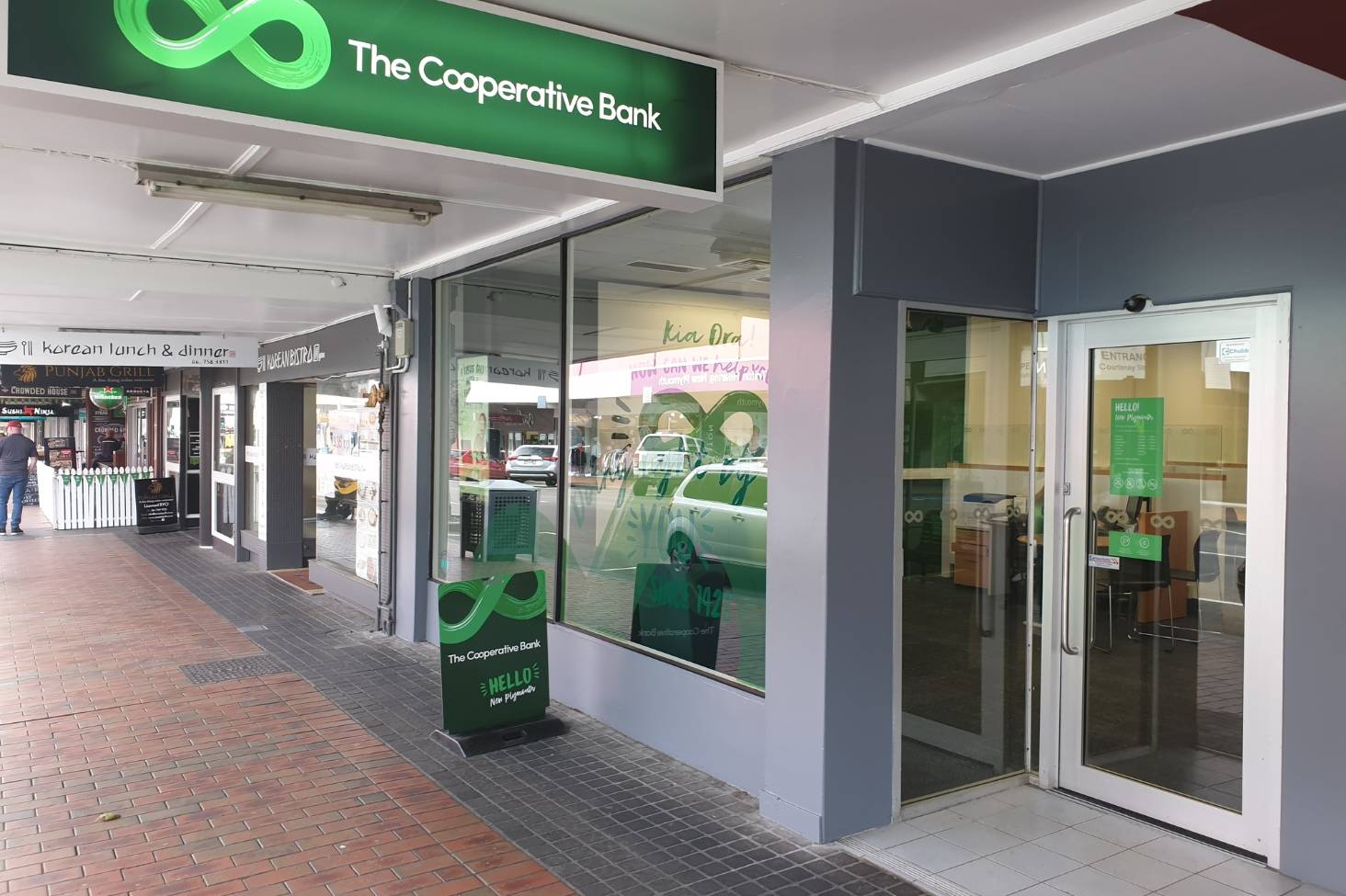
SYDNEY, June 4, 2026 — The Reserve Bank of New Zealand [RBNZ] has filed civil proceedings in the Wellington High Court against the country’s Co-operative Bank over three breaches of core requirements under the Anti-Money Laundering and Countering Financing of Terrorism [AML/CFT] Act 2009, dating back to at least 2020.
The RBNZ’s claim relates to the adequacy and effectiveness of the bank’s AML/CFT programme, particularly its failure to:
- ensure that all transaction-monitoring rules were operating correctly;
- carry out adequate assurance activities to verify the effectiveness of its account and transaction monitoring; and
- maintain adequate records relating to its transaction-monitoring and assurance activities, as required under its AML/CFT programme.
As a result, the RBNZ said the bank “failed to identify higher-risk transactions and customers, undertake timely enhanced due diligence, and maintain required records as required by the Act”.
Acting Assistant Governor for Financial Stability Angus McGregor said: “This is the second AML/CFT civil proceeding the RBNZ has filed against a reporting entity in the past six months. This enforcement action supports the purposes of the AML/CFT Act, which are to detect and deter money laundering and terrorism financing, maintain and enhance New Zealand’s international reputation, and contribute to public confidence in the financial system.
“This action again reinforces that prolonged and systemic failures to meet core AML/CFT obligations are serious and unacceptable.
“The RBNZ expects all banks to have appropriate systems and resources in place to actively monitor customer accounts and transactions, supported by fit-for-purpose testing and assurance, in order to comply fully with the requirements of the Act. These measures are essential to identifying and mitigating potential money-laundering and terrorism-financing risks in a timely manner.”
The Co-operative Bank has admitted liability for all three causes of action.
The parties have jointly agreed to recommend to the court that a penalty of NZ$1.425 million is appropriate in this case, although the final decision rests with the court.
The RBNZ stressed that it is not alleging that the Co-operative Bank was itself involved in money laundering or terrorism financing.
As the matter is now before the High Court, the central bank said it would make no further comment.
From 1 July 2026, the Department of Internal Affairs [DIA] will become the sole AML/CFT supervisor for all reporting entities in New Zealand. The DIA supports the action and will assume responsibility for the proceedings from that date.
In a statement published on its website, the bank said: “The Co-operative Bank acknowledges and accepts responsibility for breaches of its AML/CFT obligations, following the Reserve Bank of New Zealand filing a civil proceeding in the High Court.
“The proceeding concerns compliance issues arising from past practices relating to the bank’s transaction-monitoring programme, including assurance over that programme.
“Importantly, there are no allegations that the bank has been involved in money laundering, terrorism financing or any other criminal activity, or that the non-compliance has resulted in adverse impacts on customers.”
Chief Executive Officer Mark Wilkshire added: “Banks have an important role to play in helping identify financial crime and safeguarding the integrity of New Zealand’s financial system. We acknowledge that aspects of our previous transaction-monitoring programme did not meet the required standards.
“We have worked constructively with the Reserve Bank throughout this process and have taken steps to strengthen our systems and controls. We are confident that the improvements already implemented, together with those planned for the future, will significantly strengthen our compliance in this area.”
The bank added that it has made a provision for the potential penalty in its 2026 financial statements.
https://thecooperator.news/new-zealand-the-co-operative-bank-shares-us-2-5mln-profit-with-customers/
Buy your copy of thecooperator magazine from one of our country-wide vending points or an e-copy on emag.thecooperator.news


