
KAMPALA, October 1, 2026 – In a groundbreaking move to champion climate-smart agriculture and circular economy models, the National Agricultural Research Organisation [ NARO ], through the National Forestry Resources Research Institute [NaFORRI], has transformed hazardous agro-industrial waste into valuable agricultural inputs.
The innovation involves using Black Soldier Fly [BSF] larvae as a low-cost technology to manage organic waste from avocado oil processing and convert it into high-value fertiliser and animal feed. The process is being undertaken at selected processing plants, supporting agricultural production through an efficient biological solution that also protects the environment.
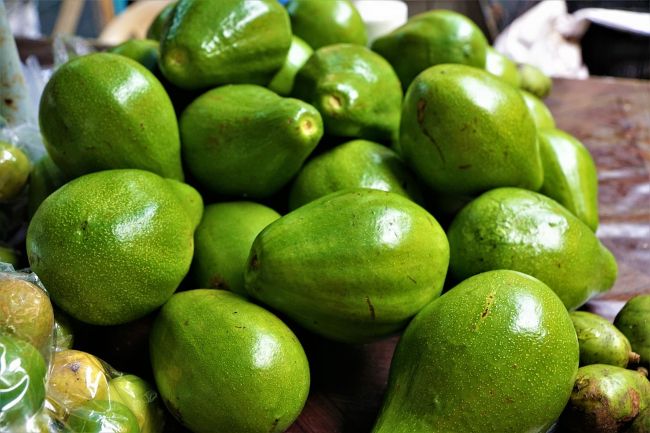
The development follows the exponential increase in the cultivation of Hass avocado in Uganda, a premium variety heavily promoted by the Ministry of Agriculture, Animal Industry and Fisheries [MAAIF] for both local consumption and international export markets.
As farmers grade their harvests, top-quality fruits are destined for the fresh export market, while others are sold to local vendors or directed to industrial processing plants for the extraction of premium extra virgin avocado oil.
The commercial boom has, however, created a significant environmental challenge, as processing factories generate large volumes of organic waste residue. If poorly managed, the residues can degrade soil quality, produce noxious odours and release greenhouse gases, posing a threat to the environment.
The NaFORRI-led project introduces nature’s recycler, the Black Soldier Fly, a non-pest insect naturally found in Uganda and renowned for its ability to rapidly decompose organic matter.
Under the technology cycle, the project will be deployed at avocado oil processing factories, where nutrient-rich organic residues will be immediately channelled as the primary substrate into Black Soldier Fly production units.
The Director of Research at NaFORRI, Dr Moreen Uwimbabazi, said the strategy represents a paradigm shift in how agricultural by-products are viewed.
“We are utilising a deeply innovative approach that converts waste into wealth for sustainable economic development. This project harnesses diverse scientific and industrial expertise to create tangible products and services,” she said, adding: “Waste is the new currency in the circular economy, which should be used for making money.”
The project’s principal investigator, Diana Namayanja, said the voracious larval phase of the Black Soldier Fly would provide a high-protein, cost-effective alternative for poultry feed formulation, offering a cheaper option for livestock farmers struggling with soaring feed costs.
Meanwhile, the nutrient-dense digestive by-product left behind by the larvae, known as frass, will be dried, processed and packaged as a nitrogen-rich organic fertiliser, known as ICOF.
The innovation comes on the heels of skyrocketing prices of animal and poultry feeds, driven by high prices of maize and other production inputs. The technology could provide a sustainable response to farmers’ concerns by offering a nutritious and affordable alternative.
The research will be conducted at NaFORRI, where scientists will assess the growth performance and precise nutritional value of the feeds and fertiliser. The findings will provide poultry and livestock farmers with well-guided, data-backed recommendations on optimal feed combinations and application rates.
Other research scientists will be based at the various implementing partner institutions, including the National Environment Management Authority [NEMA], Makerere University, MuZARDI, Buikwe district Local Government, Yeka Fly Organics Enterprise and Njojo Agro-based Industries.
The project is expected to conduct trials in major avocado oil-producing hubs, including Kyegegwa, Buikwe, Nakaseke and Kamuli districts.
Buy your copy of thecooperator magazine from one of our country- wide vending points or an e-copy on emag.thecooperator.news
-

-

-

-


