
MBARARA CITY, April 15, 2026 — Authorities in Mbarara City have launched a fresh campaign to demolish dilapidated and illegal structures, following a successful operation to ease street congestion.
City officials say the ongoing exercise is aimed at enforcing urban standards and transforming Mbarara into a modern, inclusive and green city, amid rapid urban growth in south-western Uganda.
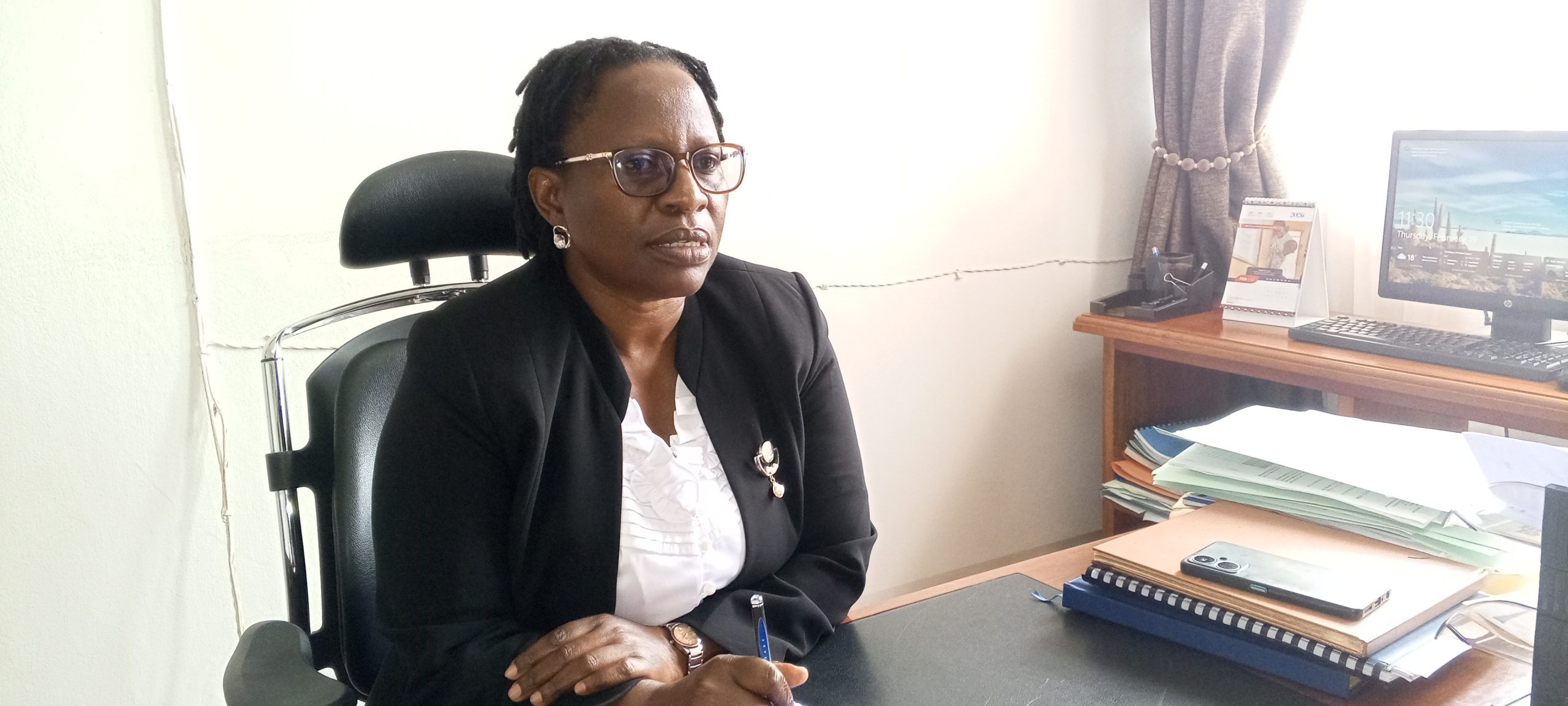
The City Clerk, Justin Barekye warned that the enforcement will target property owners who have failed to develop or maintain their land, although the city will first engage them to improve their premises.
“We are calling on owners of undeveloped plots, including those previously occupied by containers and kiosks, to apply for building plans and develop their land,” Barekye said. “For those with existing buildings, we expect you to pave frontages, repaint, install security lighting and urgently renovate any dilapidated structures.”
She added that developers with unauthorised buildings have been granted a limited window to regularise them.
“We are offering some leeway for owners of illegal structures to apply for approval,” Barekye explained. “However, this will only apply where the structures are not in road reserves or wetlands and where they comply with the city’s physical development plan. Our teams will inspect the sites, and only those meeting council standards will be approved.”
Develop or relocate
Barekye advised landowners who lack the financial capacity to meet urban standards to consider selling their plots.
“If you cannot develop your plot, it is better to sell it to those who can,” she said. “You may relocate to the outskirts, where development costs are more manageable, and allow the city centre to grow in line with modern standards.”
Crackdown on makeshift structures
The city has also intensified action against makeshift developments, particularly new brick structures emerging on sites where kiosks were recently removed.
“We are already bringing down new makeshift structures being erected without approval,” Barekye said. “We urge the public to comply with council regulations and avoid putting up buildings without authorisation.”
Authorities are also targeting bushy and neglected plots, which they say pose both security and public health risks.
“Property owners must keep their plots clean and free of overgrown vegetation and garbage,” she added. “Neglected land can easily become a breeding ground for crime and pests.”
Progress on street decongestion
City officials welcomed the outcome of the recent decongestion exercise, noting that many former street vendors have transitioned into formal business spaces.
“We provided space in markets for those who needed it, and many vendors have successfully moved into arcades and other premises,” Barekye said. “Previously empty arcades are now occupied, and we still have available space in markets such as the Central Market, Kiyanja, Nyamityobora, Lugazi and Biharwe.”
She warned that vendors who return to the streets risk arrest and prosecution.
“Anyone found operating on the streets will face legal action, including confiscation of goods and possible court penalties,” she said. “It is in everyone’s interest to comply.”
Call for modernisation
Hajj Abas Kazibwe, a councillor representing the elderly, backed the city’s push for redevelopment, saying Mbarara must evolve to keep pace with modern demands.
“The face of Mbarara must change,” Kazibwe said. “Those who can no longer sustain development in the city centre should consider selling and investing elsewhere, such as in modern farming, to allow urban transformation to take shape.”
He also called for greater efforts to attract international investors.
“Mbarara is still a young city that needs exposure,” he said. “We should attract industries such as tiles, roofing and timber processing to create jobs and boost local production.”
Legal action against offenders
City Physical Planner Carol Warugaba warned that authorities are now using a specialised court to prosecute illegal developers, particularly those who build at night or over weekends.
“Some people take advantage of weekends to construct illegal buildings, but we are monitoring closely,” Warugaba said. “Anyone found without an approved plan will be arrested, prosecuted and their structure demolished.”
She stressed that adherence to planning regulations is critical for future infrastructure development.
“If we are to expand roads and utilities, illegal construction must stop,” she said. “Before any development proceeds, the first question will be: do you have an approved building plan?”
Buy your copy of thecooperator magazine from one of our country-wide vending points or an e-copy on emag.thecooperator.news


