
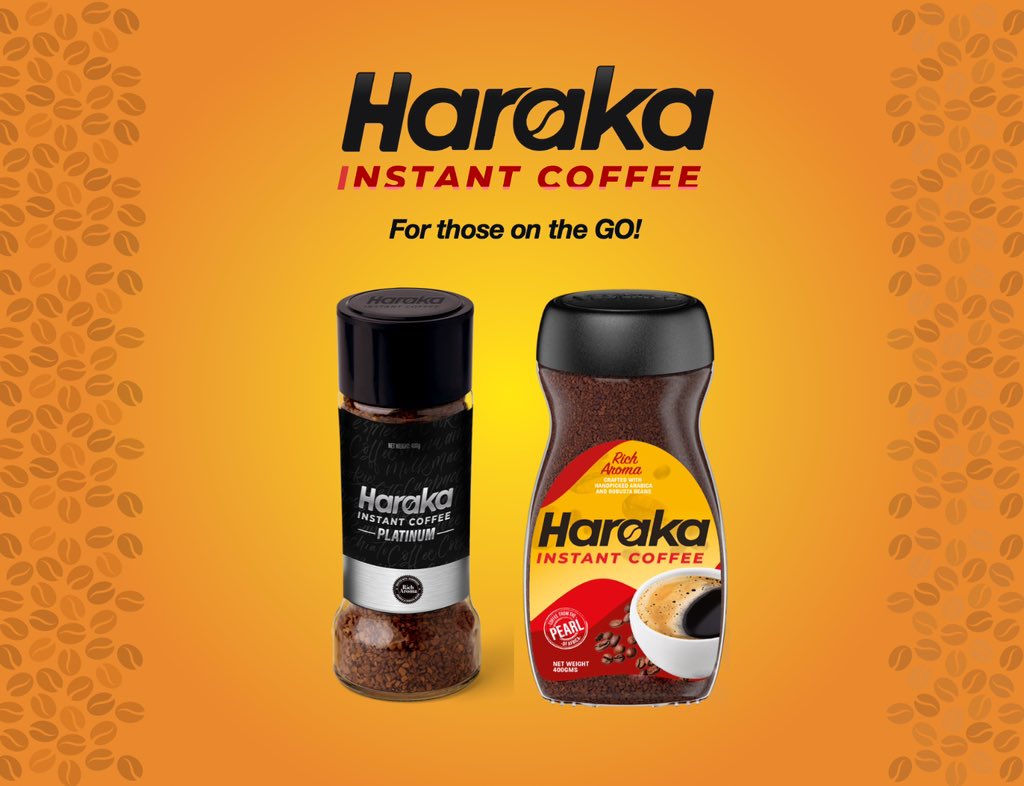
KAMPALA, May 13, 2026 — The European Commission has released its long-awaited review of the European Deforestation Regulation [EUDR], providing essential clarity for global food and drink manufacturers. A notable change is the inclusion of soluble/ instant coffee, which was previously excluded from the regulatory scope despite other coffee forms, such as green, roasted, and decaffeinated coffee, being covered.
Instant coffee, made by dehydrating brewed coffee beans into a powder or crystals, had escaped scrutiny for unclear reasons but is now set to be regulated, addressing potential loopholes that allowed companies to import it without EUDR compliance.
The review also eliminates proposals for a ‘negligible’ or ‘no-risk’ category, keeping the existing risk tiers of low, standard, and high. Additionally, updates to the EUDR IT system are planned, including new features to simplify compliance for companies and allow for group submissions, as stakeholders had requested.
The Commission also intends to launch databases on relevant laws and recognized certification schemes from producing countries by the end of the year.
The Commission has reaffirmed the timeline for the new regulations, with a compliance deadline set for December 30, 2026 for larger companies and June 30, 2027 for smaller firms. Public feedback on the proposed changes is open until June 1, 2026.
Background
The EUDR was adopted to minimise the European Union’s contribution to global deforestation, forest degradation, and biodiversity loss caused by consumption. By forcing strict due diligence, it aims to ensure only deforestation-free products like; cattle, cocoa, coffee, oil palm, rubber, soy, wood enter the EU market.
Why the EUDR? Key Reasons:
Combat climate change & biodiversity loss: The EU acknowledges that its consumption of key agricultural commodities drives significant global deforestation, contributing to CO2 emissions and destroying ecosystems.
Global responsibility: The regulation aims to shift the global supply chain, ensuring that products sold in the EU do not stem from land deforested after December 31, 2020.
Consumer demand for sustainability: It responds to European consumer demand for deforestation-free, sustainable products, ensuring companies verify the origin of their goods.
Strengthened due diligence: The law mandates strict traceability and due diligence, requiring operators to prove products are legally produced and traceable to the exact plot of land.
Economic risk reduction: Deforestation creates economic instability. The regulation seeks to mitigate long-term risks to the EU economy by encouraging sustainable supply chains.
Buy your copy of thecooperator magazine from one of our country-wide vending points or an e-copy on emag.thecooperator.news


