
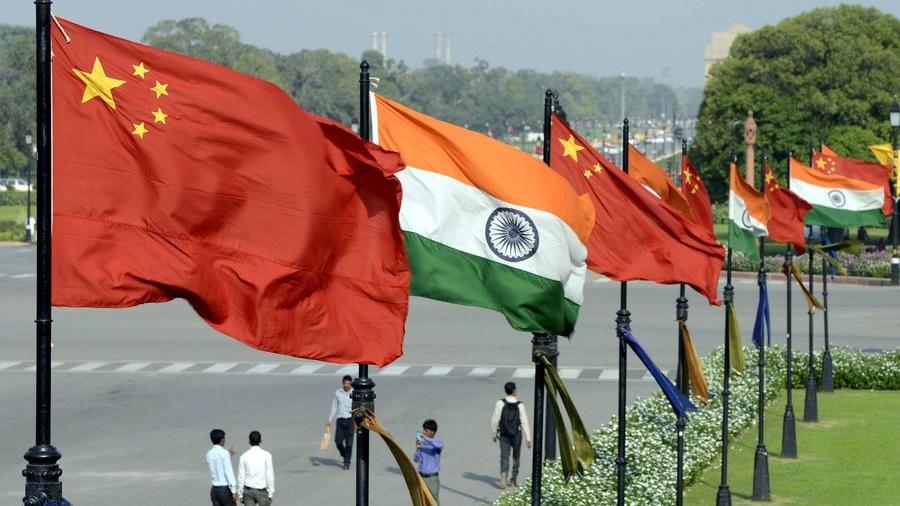
KAMPALA, February 2, 2026 — The International Monetary Fund [IMF] has placed China and, India at the top of the global real GDP growth chart and the two countries are projected to contribute 26.6 percent and 17 percent, respectively.
Together, the two countrie drive 43.6 percent of global economic growth. This indicates that the Asia-Pacific region is contributing nearly half of the overall expansion.
At 9.9 percent, the United States has been placed at the third position, followed by developing nations like Indonesia [3.8 percent], Türkiye [2.2 percent], Nigeria [1.5 percent], Brazil [1.5 percent] and others.
Germany remains placed at the bottom of the list with a 0.9 percent share.
The comment made by the world’s richest person, who has been keeping track of India’s trajectory closely and met Prime Minister Narendra Modi twice in recent times, holds major significance. It hints towards a growing consensus among policymakers about the global economy making a dynamic shift to Asia and parts of the global south from the West.
In its January 2026 global economy report, the IMF mentions that the “global growth is projected at 3.3 percent for 2026 and 3.2 percent for 2027, revised slightly up since the October 2025 World Economic Outlook.”
It suggests that the growth is expected to be fueled by “technology investment, fiscal and monetary support, accommodative financial conditions, and private sector adaptability offset trade policy shifts.”
IMF further predicts that the global inflation will fall, while the US inflation will return to target more gradually.
“Key downside risks are reevaluation of technology expectations and escalation of geopolitical tensions. Policymakers should restore fiscal buffers, preserve price and financial stability, reduce uncertainty, and implement structural reforms,” it added.
The IMF report cautions that “trade tensions could flare up, prolonging uncertainty and weighing more heavily on activity.”
The Fund highlights that domestic political tensions or geopolitical tensions could erupt and introduce “new layers of uncertainty and disrupting the global economy through their impact on financial markets, supply chains, and commodity prices.”
“Larger fiscal deficits and high public debt could put pressure on long-term interest rates and, in turn, on broader financial conditions,” it added.
Top 10 contributors to global real GDP growth [2026]
1. China — 26.6%
2. India — 17.0%
3. United States — 9.9%
4. Indonesia — 3.8%
5. Türkiye — 2.2%
6. Nigeria — 1.5%
7. Brazil — 1.5%
8. Vietnam — 1.6%
9. Saudi Arabia — 1.7%
10. Germany — 0.9%
China + India alone = 43.6% of global growth
Asia-Pacific accounts for ~50% of total growth
Buy your copy of thecooperator magazine from one of our country-wide vending points or an e-copy on emag.thecooperator.news
-

-

-

-

