
GENEVA, October 5, 2026 — Cameroon has called for better compensation for coffee farmers to help them meet rising costs linked to stricter environmental sustainability, traceability and other compliance requirements in international markets.
Trade Minister Luc Magloire Mbarga Atangana made the call during the 142nd session of the International Coffee Council, held in Geneva recently.
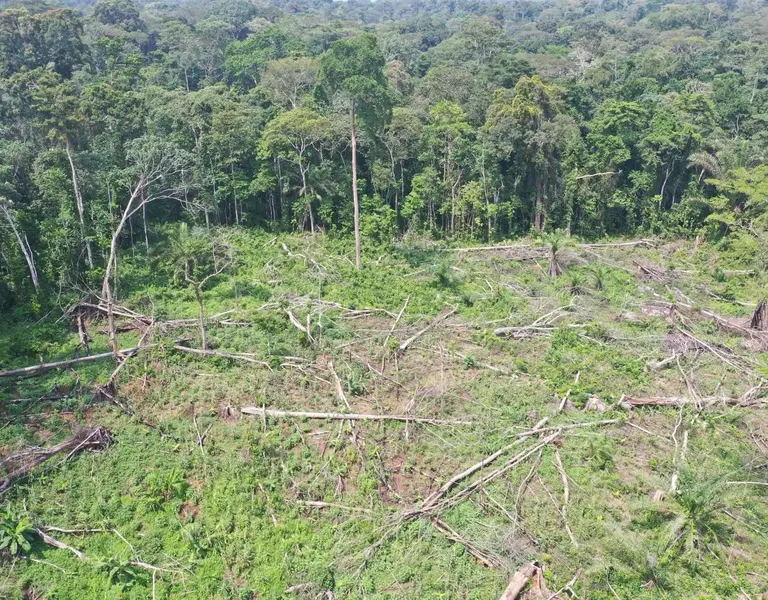
Mbarga Atangana said the transition towards a more sustainable coffee market should also improve the economic welfare of producers, warning that farmers are being required to make additional investments to comply with increasingly stringent international standards and laws like the European Union Deforestation Regulation [EUDR], adopted in 2023, to reduce greenhouse gas emissions and biodiversity loss by boosting the consumption of ‘deforestation-free’ products and by reducing the EU’s impact on global deforestation and forest degradation.
He said the financial returns to farmers should reflect the additional costs of meeting the requirements, enabling them to maintain production and invest in their farms.
The minister also warned that increasingly stringent sustainability requirements could become non-tariff barriers if producers are unable to afford the measures needed to access international markets.
Cameroon is seeking to revive its coffee sector, which has shown signs of recovery. Data from the National Cocoa and Coffee Board [ONCC] shows that marketed coffee production rose by 10 percent to 11,637 tonnes during the 2024/25 season, from 10,592 tonnes the previous season.
Farmgate prices also increased for both Arabica and robusta coffee. Arabica prices rose from CFAF 2,375 to CFAF 2,854 per kilogramme, while robusta prices increased from CFAF 1,500 to CFAF 1,959 per kilogramme.
Cameroon’s Arabica exports also increased significantly, reaching 824 tonnes valued at CFAF 3.37 billion in 2025, compared with 308 tonnes worth CFAF 846 million in 2024.
However, the sector remains exposed to fluctuations in international coffee prices. Coffee export earnings fell by 17.6% in the first quarter of 2026 to CFAF 4.1 billion, from CFAF 5 billion during the same period in 2025.
Mbarga Atangana urged international partners and industry stakeholders to provide greater support to coffee-producing countries as they adapt to new sustainability and traceability requirements.
He called for stronger public-private partnerships and greater cooperation to help producers meet compliance requirements without undermining their access to international markets.
The issue is particularly important for Cameroon because its coffee exports are concentrated in a relatively small number of markets. Data cited at the meeting showed that the European Union accounted for about 60 percent of Cameroon’s coffee exports in 2025, while North Africa accounted for about 31.7 percent.
The minister’s call comes as coffee-producing countries and exporters prepare to adjust to tighter environmental and traceability requirements in key international markets, including the European Union where the EUDR was developed.
https://thecooperator.news/uk-set-to-initiate-eudr-aligned-deforestation-regulations/
Buy your copy of thecooperator magazine from one of our country-wide vending points or an e-copy on emag.thecooperator.news
-

-

-

-


