
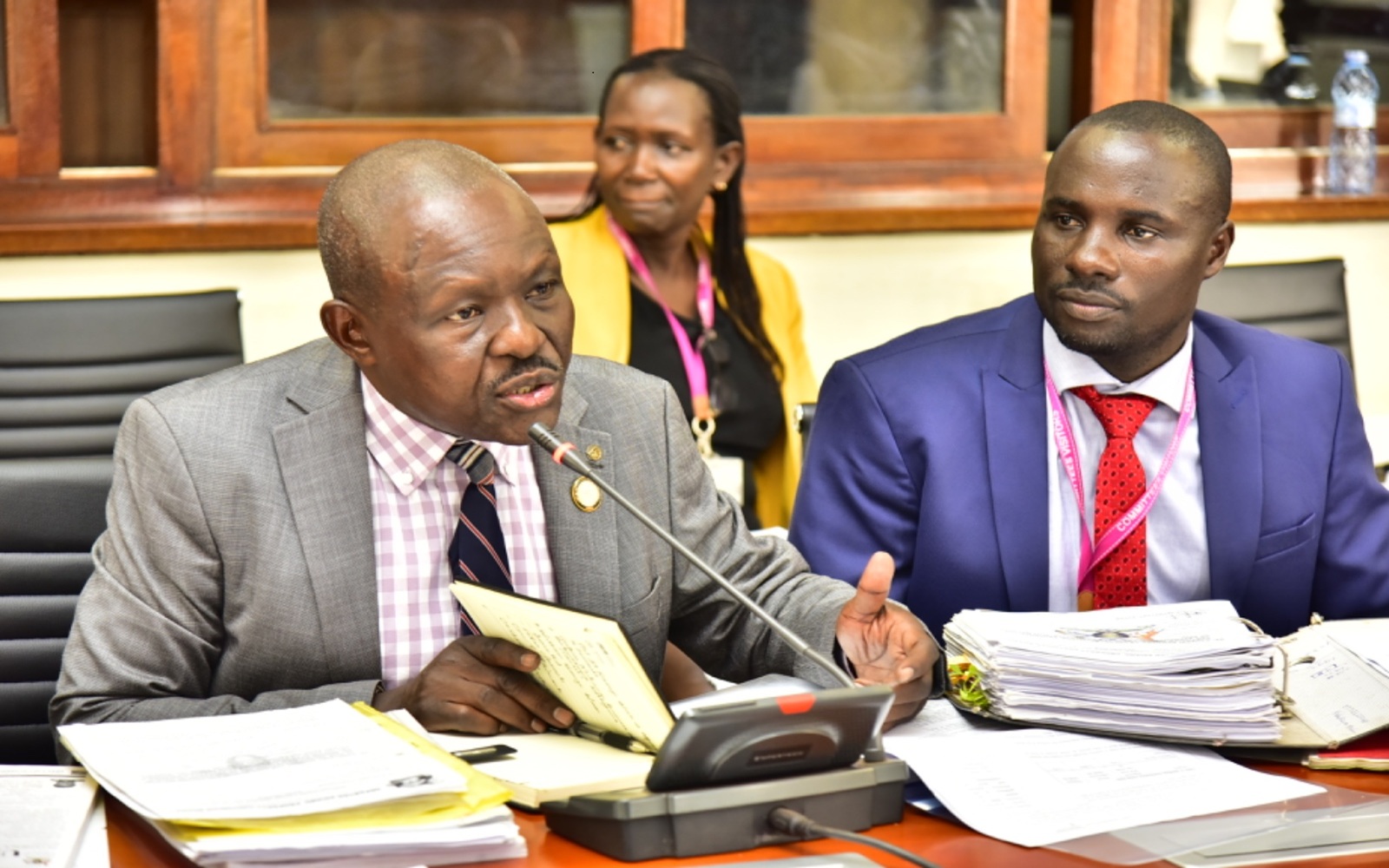
KAMPALA, March 7, 2026 — The Departed Asians Property Custodian Board [DAPCB] has come under intense scrutiny over missing records, stalled property disposals and alleged fraud, more than 50 years after former President Idi Amin expelled over 80,000 Asians from Uganda.
During a recent meeting of the Committee on Commissions, Statutory Authorities and State Enterprises [COSASE], Members of Parliament directed officials from the DAPCB to provide a comprehensive and verified inventory of the assets under its custody. Legislators warned that failure to do so could lead to costly legal disputes and significant revenue losses for the government.
The committee, chaired by Allan Mayanja, was reviewing queries raised in the Auditor General’s report for the financial year ending June 30, 2024.
According to the report, the board operates with an incomplete property register, delayed property valuations and weak internal controls. It also noted that the board held only one meeting during the entire period under review.
The DAPCB was established under the Assets of Departed Asians Act to manage and dispose of properties left behind following the 1972 expulsion of Asians from Uganda. The Expropriated Properties Act later set out procedures for valuation, competitive sale, repossession and restitution of the properties.
However, Section 3 of the 1973 Act requires the board to maintain a proper assets register — a requirement MPs said has not been fulfilled.
Bwamba County Member of Parliament Richard Muhumuza Gafabusa demanded clarity on property disposals carried out without a verified registry.
“What did you gazette? Do you have an asset register with values? On what basis are you selling or collecting revenue?” he asked.
The Auditor General’s report further indicates that more than 115 properties compensated through the British High Commission in 1999 have not yet been valued. Another 87 properties under the United Nations compensation framework also remain unsold.
The Auditor General warned that such prolonged delays increase the risk of encroachment, fraudulent claims and loss of public revenue.
Rakai District Woman Representative Juliet Kinyamatama called for adherence to proper procedures.
“Show us evidence of the process agreed upon by the board. The law defines the functions of the executive and divestiture committees. What steps are you implementing?” she said.
Buhweju County MP Francis Mwijukye raised concerns about alleged ministerial overreach and the possibility of ghost claimants benefiting from the process.
“If the board approves a process and a minister donates property outside it, that is not right,” he said.
DAPCB Executive Secretary George William Bizibu acknowledged gaps in the documentation but defended the board’s progress.
“We do not yet have a complete property registry,” Bizibu conceded, attributing the delays to an ongoing verification exercise and earlier parliamentary guidance that halted plans to dissolve the board until a clear inventory is established.
During the recent Rationalisation of Government Agencies and Public Expenditure [RAPEX] process, Parliament blocked plans to dissolve the DAPCB, arguing that liquidation without a verified inventory would create confusion and potentially lead to the loss of government property and revenue.
https://thecooperator.news/parliament-stays-rationalisation-of-key-entities-pending-audit/
Buy your copy of thecooperator magazine from one of our country-wide vending points or an e-copy on emag.thecooperator.news


