
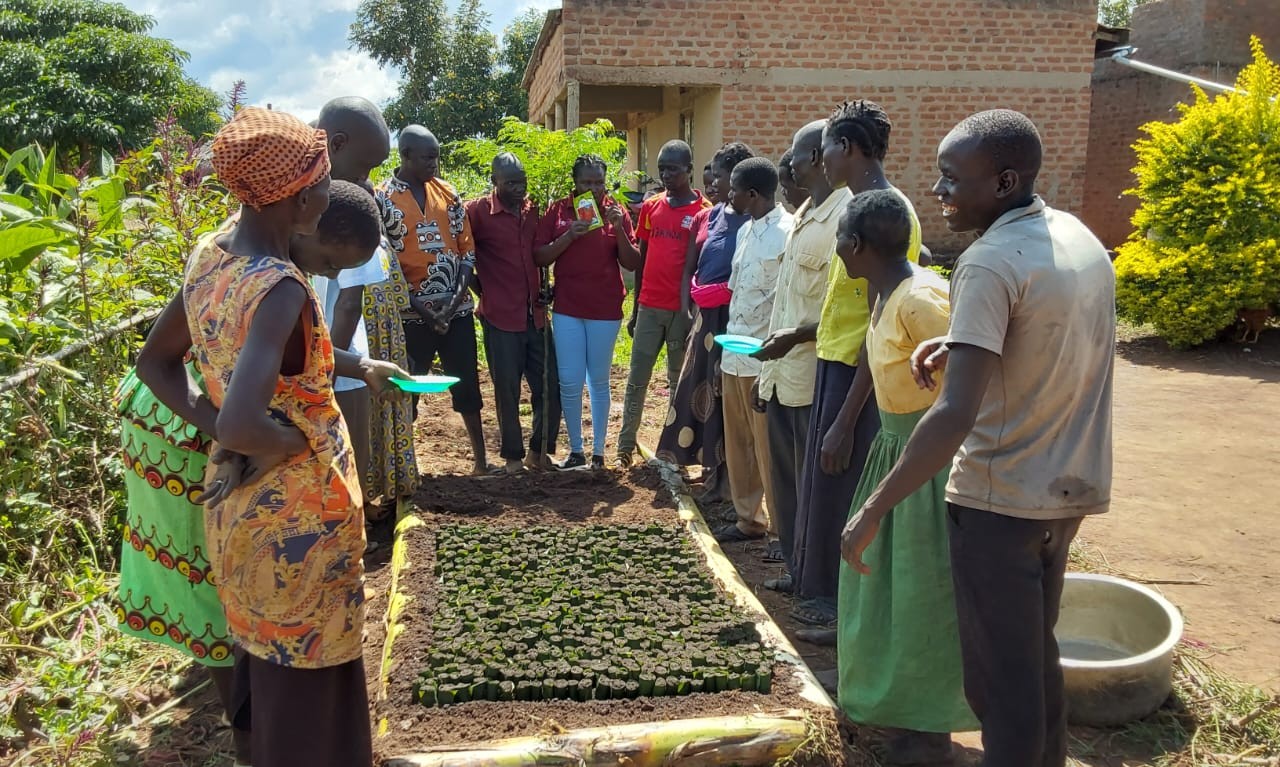
SERERE, May 29, 2026 — The National Semi Arid Resources Research Institute[ NaSARRI] has started empowering livestock farmers in Teso, Karamoja and Lango subregions with skills to enable them make climate smart interventions in the face of extreme climate change effects.
The Climate-Smart Agriculture Project, co-funded by the Ministry of Agriculture, Animal Industry and Fisheries [MAAIF] and the World Bank, farmers will be skilled in early warning, smart anticipatory planning and action to extreme climate effect.
The Arid and Semi-Arid regions are always affected by prolonged drought conditions that scotch up the grasslands leading to acute lack of pastures for the animals which are a lifeline for the communities.
According to the Director of Research at NaSARRI Dr. David Kalule Okello, the institute has conducted a comprehensive gap analysis and created paths that would ensure the institute can improve the lives of the farmers through building their resilience using climate-smart agriculture.
Kalule highlighted the critical role of crop-livestock integration in improving farmer productivity and household incomes.
He emphasised the importance of leveraging institutional partnerships to advance agricultural research, innovation, and sustainable development.
“There is a need to strengthen crop and livestock integration because it promotes zero waste among farmers. However, the institute still faces challenges including limited mechanisation, inadequate paddocking networks, insufficient operational funds, and unreliable water facilities. These gaps affect sustainability and access to quality services,” he noted.
He added that the project would focus on identifying key intervention and investment opportunities that can enhance animal production, strengthen climate resilience, and improve farmer livelihoods.
“Our mission is to boost productivity while addressing the growing challenges of climate change. We must continue exploring market opportunities and value addition to ensure economic growth and food security for the communities around us,” he emphasised.
The Chairperson of NaSARRI Advisory Committee, Dr. Joseph Oriokot reaffirmed the institute’s commitment to promoting climate-smart agricultural technologies and innovations, stressing the importance of strengthening research and innovation systems through improved infrastructure, visibility, and strategic investments.
“Forty years ago, information was accessed in libraries, but today information is everywhere and easily accessible. We must therefore position our research institutions to effectively deliver knowledge and innovations to farmers,” he said.
He noted that approximately 145 acres had been established for pasture seed multiplication, including Mucuna, Chloris, and Pachong pasture varieties.
The project will provide a platform for farmers, especially youth and women for the knowledge and skills needed to build sustainable and climate-resilient livelihoods.
The project will provide training to farmers across the three regions, provide and monitor the growth of the high-value grass species identified by the institute to improve the health of the animals through feeding.
It will also work to strengthen climate-smart agriculture systems through research, innovation, infrastructure development, and strategic partnerships aimed at improving resilience and productivity in Uganda’s agricultural sector.
https://thecooperator.news/regional-leaders-unite-for-peace-and-prosperity-in-semi-arid-borderlands/
Buy your copy of thecooperator magazine from one of our country-wide vending points or an e-copy on emag.thecooperator.news


