
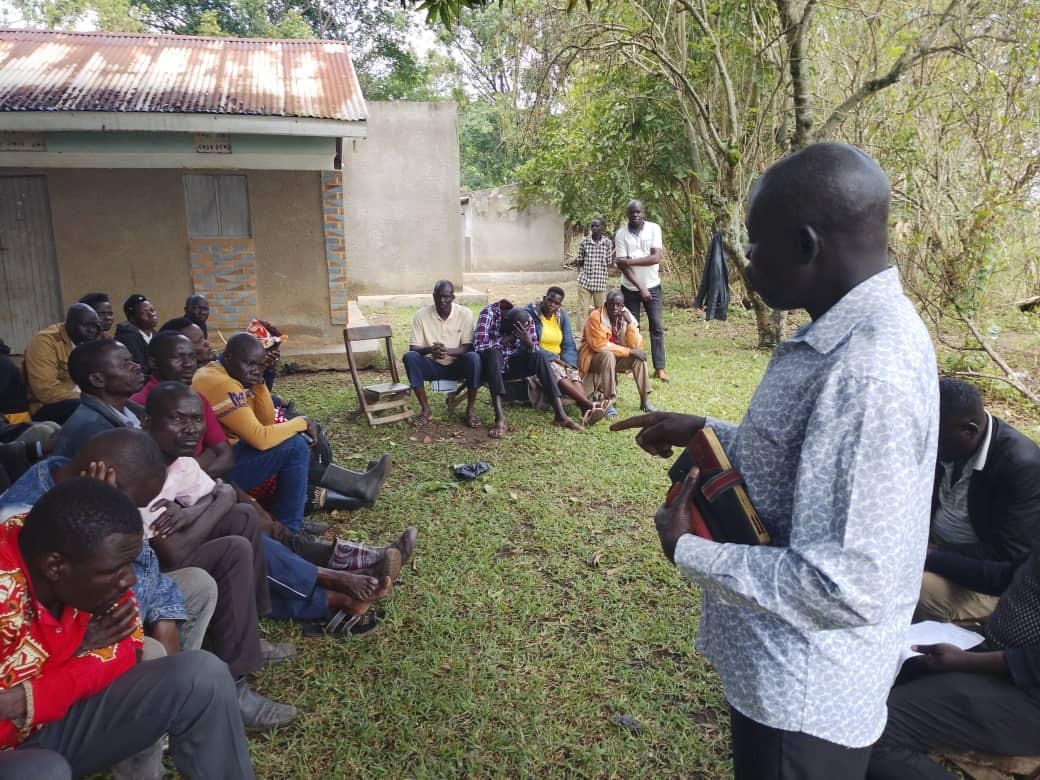
DOKOLO, February 23, 2026 — Cattle traders in Dokolo district, under their umbrella body, the Dokolo District Animal Traders Association, have raised concerns over the ongoing enforcement of Yoweri Museveni’s Executive Order No. 2, saying it is disrupting their business as they trade across several regions of the country.
The traders allege that security operatives continue to impound trucks transporting cattle for trade, despite the traders holding valid movement permits.
The Executive Order, which came into effect on 25 June 2025, was issued to curb the unregulated and indisciplined movement of the Balalo and their cattle into Northern and West Nile regions.
Kenneth Akope, Chairperson of the association, raised the concern following a recent incident in which a truck loaded with cattle was impounded and traders arrested by officers of the Uganda People’s Defence Forces [UPDF] at Cwagere Checkpoint in Kagai Subcounty.
In response, the traders convened an emergency meeting at Cwagere Market, arguing that the enforcement of the presidential order is crippling their business, despite the directive being aimed at regulating the activities of the Balalo.
Akope maintained that legitimate cattle traders should be allowed to operate freely across the country, provided they comply with security measures and veterinary guidelines.
“On the 16th of February, cattle traders from West Nile, Arua and Gulu were arrested by UPDF soldiers at Cwagere Checkpoint after leaving Ocero Market,” Akope said. “I went to establish the reasons why they were arrested and I was told the officers were acting on orders. Security should not prevent cattle traders from operating in all regions of the country. This business enables us to meet our families’ basic needs. We cannot be restricted to selling cattle only within our sub-region.”
He further noted that permits issued by district veterinary officers are being disregarded by security personnel enforcing the Executive Order, which targets the illegal movement of the Balalo and their cattle.
Akope warned that cattle farmers in Dokolo risk losing access to markets, as traders now fear arrest and potential financial losses.
“Our farmers will suffer greatly because we may not be able to buy their cattle and sell to customers in Acholi, West Nile and other regions,” he said.
He appealed to the government to allow traders to operate freely across Uganda, arguing that this would boost livestock farmers’ incomes.
“If traders go to places like Buliisa, they should be allowed to buy cattle and sell them in Lango, and vice versa. Different regions keep different cattle breeds, and trade benefits everyone,” he added.
Akope also observed that many of the restrictions appear to target long-horned Ankole cattle, which he described as highly marketable and a significant source of income for traders.
Denis Oyaka, a trader from Kwera Sub-county, called on the government to sensitise security personnel about the Executive Order.
“How can you arrest a trader who has a valid permit?” he asked. “UPDF officers need proper guidance on the presidential directive to avoid unlawful arrests.”
Another trader, Jennifer Ecir, said the arrests and impounding of trucks should cease, noting that many traders rely on loans to run their businesses.
“Some of the traders are widows who secured loans to expand their businesses and improve their homes,” she said.
Contacted for comment, Barbara Akech, Dokolo Resident District Commissioner [RDC], acknowledged the traders’ concerns. She confirmed that those arrested had since been released, but emphasised that security agencies would continue implementing the presidential directive on cattle movement.
“The Chairperson contacted me when their truck was impounded at Cwagere Market,” Akech said. “I spoke to the Division Commander and the cattle traders were cleared. However, security agencies are mandated to implement the Presidential Directive regulating cattle movement from one area to another.”
Akech added that security officials and other stakeholders would engage to address the traders’ concerns.
https://thecooperator.news/nebbi-district-stuck-with-over-300-cattle-abandoned-by-balalo/
Buy your copy of thecooperator magazine from one of our country-wide vending points or an e-copy on emag.thecooperator.news
-

-

-

-


