
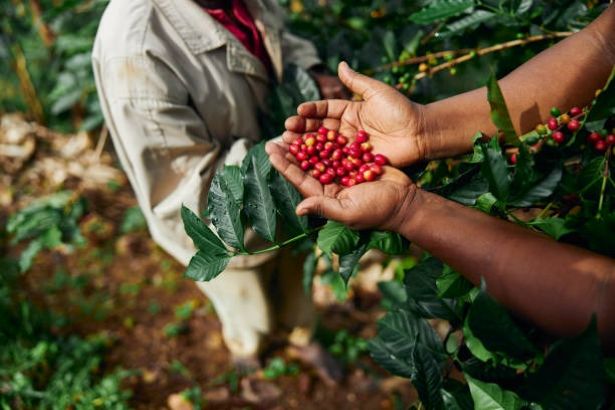
LUANDA, June 15, 2026 — Angola, once among Africa’s largest coffee producers, is moving to tighten export regulations as part of efforts to revive a sector that collapsed following independence and years of civil war.
The country’s coffee production peaked in the late 1960s, when annual output exceeded 235,000 tonnes — a level the industry is now producing only a fraction of.
The sector is currently undergoing a structural recovery, according to Forbes Africa. The National Coffee Institute of Angola said output reached 10,500 tonnes in 2025, representing a 40 per cent increase from the previous year. This followed strong growth in 2024, when production stood at 7,584 tonnes, up 21.8 per cent year on year, according to FAO data.
Exports have also increased, with Angola shipping 3,288 tonnes of commercial coffee in 2025 and generating US$ 12 million in revenue, supported by favourable international prices.
Against this backdrop, the government has reviewed a draft presidential decree setting out new rules and procedures for green coffee exports. The proposal was discussed during the fifth Ordinary Session of the Council of Ministers, chaired by President João Lourenço.
Authorities say the new framework is intended to strengthen quality standards, improve organisation across the export supply chain, and enhance the competitiveness of Angolan coffee in global markets.
Agriculture Minister Isaac Francisco Maria dos Anjos said the measures were aimed at restoring coffee as a major income-generating crop for thousands of families. He added that the government wants producers to secure greater value from their output.
The reforms come at a time of historically strong global coffee prices, which Luanda sees as an opportunity to make the crop more profitable and create economic opportunities for young people in rural communities.
To support the recovery, the government is investing in expanding plant nurseries across several provinces, with financial backing from both the Coffee Development Fund and the Agricultural Development Fund.
The broader strategy seeks to expand cultivated acreage, increase the availability of seedlings, and accelerate the sector’s recovery. For oil-dependent Angola, rebuilding the coffee value chain forms part of a wider effort to diversify exports, increase non-oil revenues and stimulate rural development.
Buy your copy of thecooperator magazine from one of our country-wide vending points or an e-copy on emag.thecooperator.news
-

-

-

-


